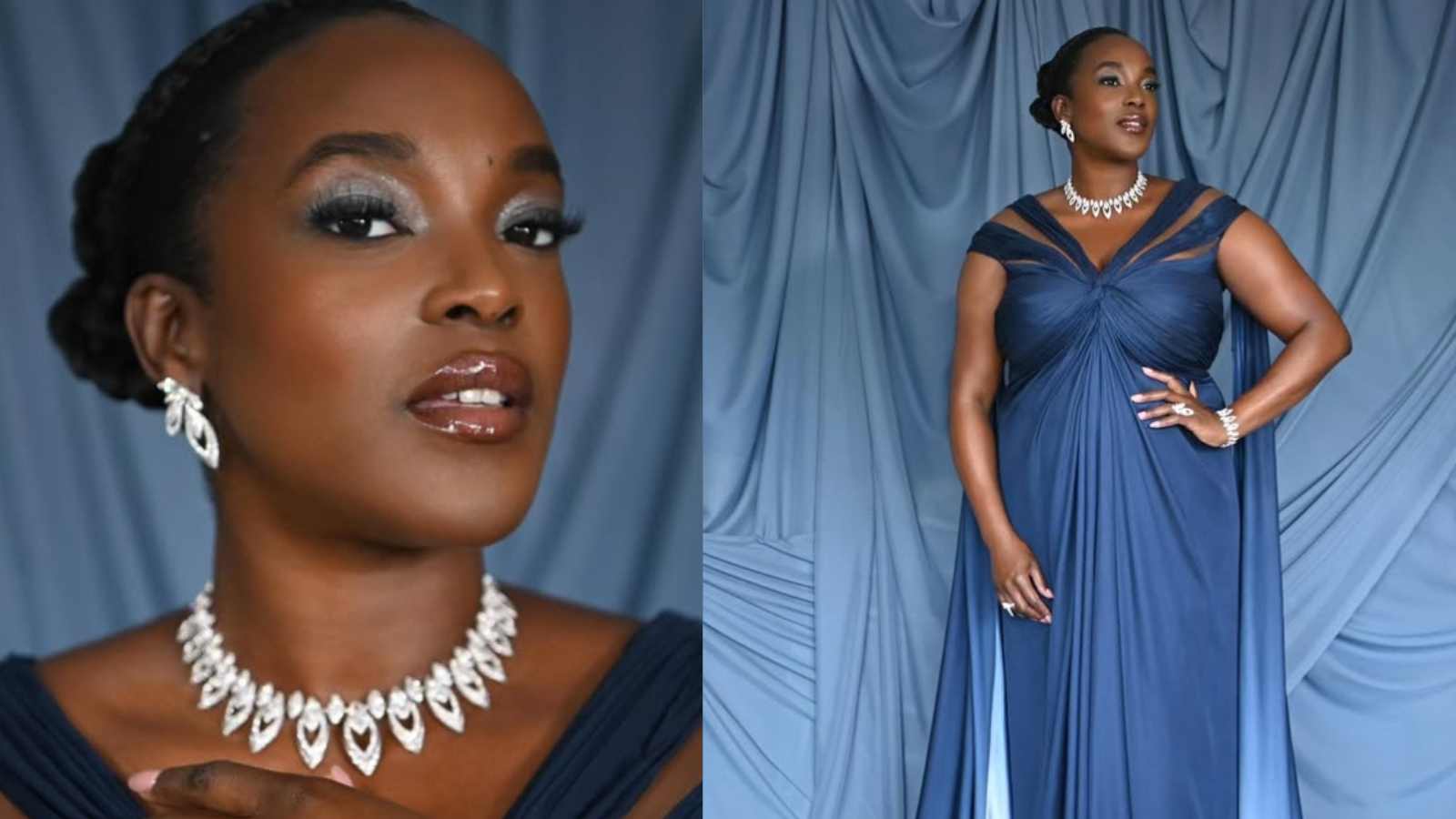
When Sinners swept the 2026 Academy Awards nominations with a historic 16 nods, including Best Supporting Actress for Wunmi Mosaku, most of the world saw a triumphant moment, especially for a film that blends genre and social commentary so boldly. But for the British-Nigerian actor at the heart of that success, the joy has been muted.
In a candid interview with The Times U.K., Mosaku revealed she has not been able to celebrate her Oscar nomination because of the harrowing deaths of two American citizens, Renée Good and Alex Pretti, at the hands of U.S. federal agents, a tragedy she called “dark and heavy.”
A Momentous Achievement With a Heavy Heart
Mosaku’s nomination for Best Supporting Actress honors her performance as Annie in Sinners, a supernatural horror drama directed by Ryan Coogler, which became the first film in Oscars history to receive 16 nominations. Her work has been widely praised for its emotional depth, blending vulnerability and strength, and speaking to overlooked voices in cinema.
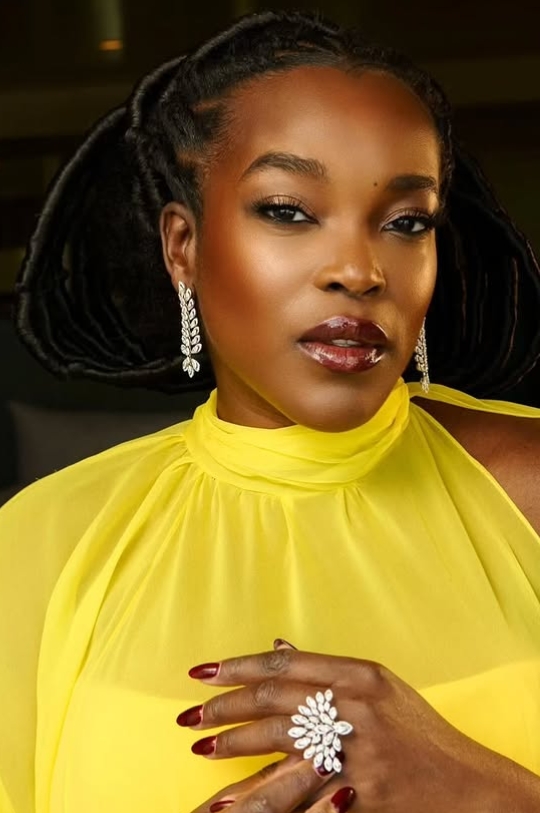
Mosaku described the moment as “beautiful” and surprising, saying she didn’t expect the industry’s warmth and kindness. Yet in her Times interview, she explained that the political climate and recent violent news have made the emotional space necessary for celebration feel almost impossible. It’s not just the fame that weighs on her; it’s the context in which the world continues to unfold around her.
“I’ve not been able to celebrate because of what’s going on right now, with the killings of Renée Good and Alex Pretti by ICE agents in Minnesota and the kidnapping of a five-year-old boy,” Mosaku shared. “One feels beautiful and one is so dark and heavy; truly dystopian. How can I possibly go out and buy some drinks and enjoy the moment?”
Who Was Wunmi Mosaku Before Sinners?
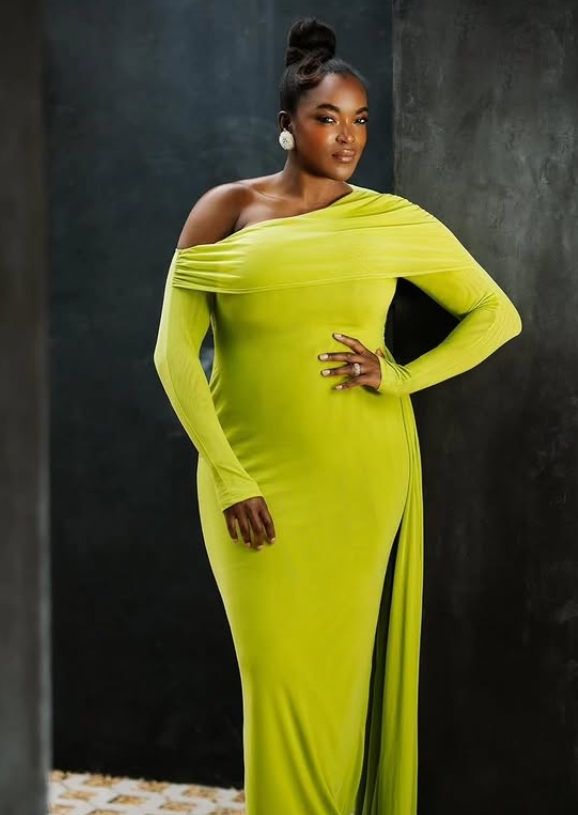
To understand the weight of her words, it helps to know Mosaku’s journey.
Born in England to Nigerian parents, Mosaku trained at the prestigious Royal Academy of Dramatic Art (RADA) but has previously spoken about how isolating that experience was. She was often mocked for her accent and struggled for roles before breaking through.
Her career has been steadily rising for over a decade, with notable performances in television hits like Luther and the Marvel series Loki, as well as powerful films such as His House and Passenger. Critics and audiences alike have repeatedly praised her ability to convey complexity and emotional truth.
For many, her career trajectory is a testament to perseverance and artmaking grounded in humanity rather than spectacle.
Sinners: A Film That Resonates Deeply
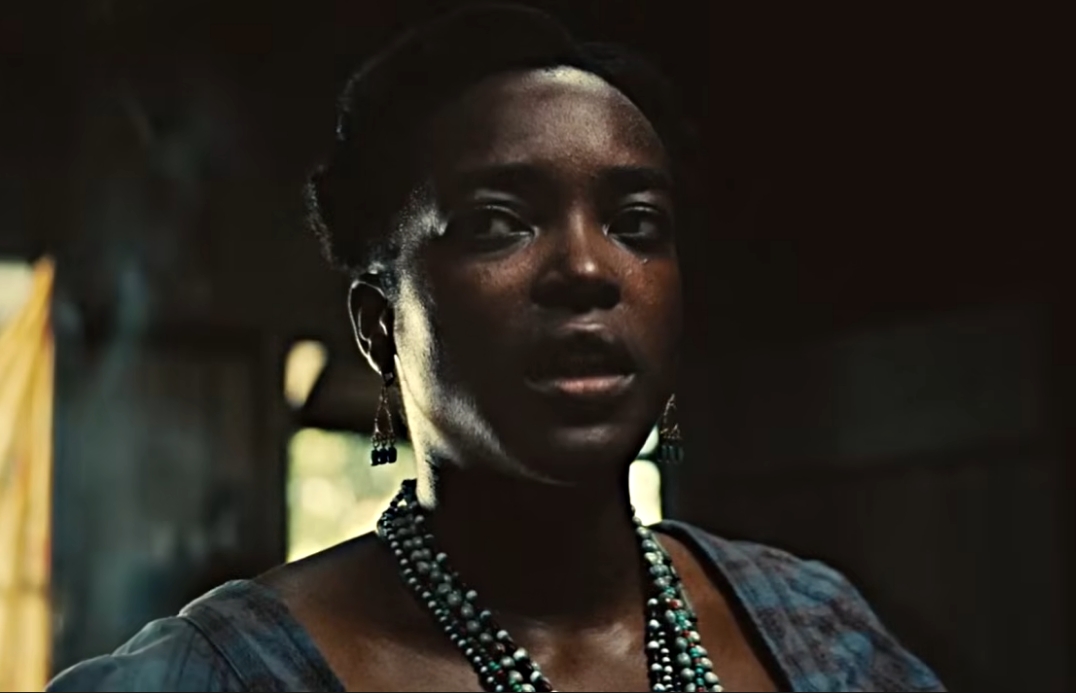
At a time when Hollywood is still evolving in how it honors genre films, especially those rooted in horror, Sinners has broken records not just for its number of noms but for the breadth of categories in which it was recognized. That includes directing, acting, screenplay, and technical craft.
This kind of recognition is significant for actors like Mosaku, not just as a personal achievement, but as a sign that diverse storytelling and complex character work are finally finding their way into the awards spotlight.
The Tragedies That Overshadow a Milestone
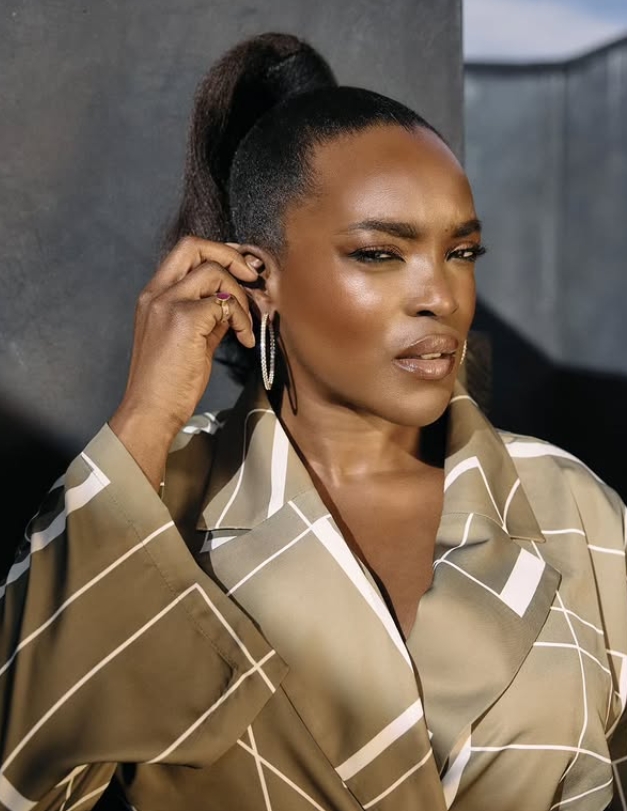
Mosaku explicitly tied her muted response to her nomination to reports surrounding the deaths of Renée Good and Alex Pretti, described in her interview as victims shot by Immigration and Customs Enforcement (ICE) agents in Minnesota. While official investigations into these incidents are ongoing and complex, Mosaku’s reaction reflects a broader emotional and civic fatigue shared by many people confronting violent headlines and systemic tensions in the United States.
Her choice of language, calling the situation “dystopian,” underscores not just personal sadness but a sense of collective disillusionment with how society processes tragedy and pleasure at the same time.
It’s a perspective that disrupts the typical awards-season narrative of unalloyed celebration and invites a broader conversation about how artists and audiences balance joy and grief.
Beyond the Headlines
Here is a deeper layer beneath this story:
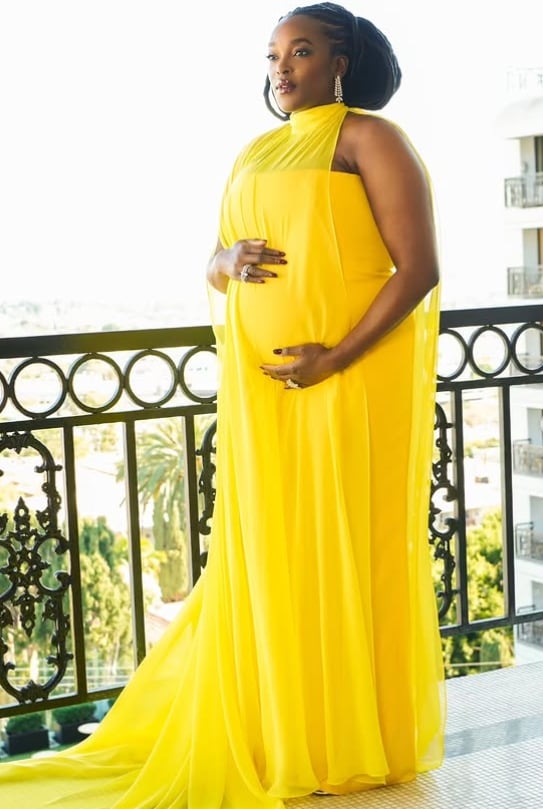
First, Mosaku is pregnant with her second child, an additional emotional dimension that is rarely mentioned alongside her awards buzz. She announced her pregnancy on the Golden Globes red carpet, embracing her Nigerian heritage in a striking moment that blended identity, motherhood, and visibility.
Second, she has previously spoken about feeling isolated early in her training, a theme that resonates with her comments about feeling unable to celebrate right now. That same pattern, of navigating spaces where celebration and struggle coexist, appears both in her personal reflections and public life.
Third, her character Annie, the Sinners, resonated deeply with many viewers who felt seen in a role that depicted Black womanhood with warmth, strength, and vulnerability. That emotional connectivity between character and audience is likely part of why her nomination feels so significant to her, even amid personal distress.
Should Art and Tragedy Be Separated?
Mosaku’s comments raise a thoughtful question that is rarely explored: Should artists be expected to set aside global or national pain in order to celebrate personal achievement?
Many people argue that acclaim exists within a bubble, one that can feel detached from the harsher realities of everyday life. Others say it’s precisely during challenging times that artists should embrace moments of joy, as solace or evidence of resilience.
There’s no single right answer, but Mosaku’s honesty invites a broader, more human conversation about how we handle emotional complexity. Her stance challenges the simplistic idea that awards season is all glamour. Instead, she frames recognition as a deeply human experience, one that cannot be fully enjoyed when societal pain feels immediate and raw.
Her perspective resonates with many people today, not just those in entertainment, who find it hard to embrace good news amid distressing headlines.
Mosaku isn’t rejecting her achievement. She’s acknowledging the complex emotional landscape that comes with being human, an answer that feels honest, vulnerable, and deeply empathetic.
As the 98th Academy Awards approach on March 15, Wunmi Mosaku remains a powerful voice in both film and public discourse. Her reaction to global events reminds us that even in moments of recognition, our collective conscience continues to shape how we experience success.