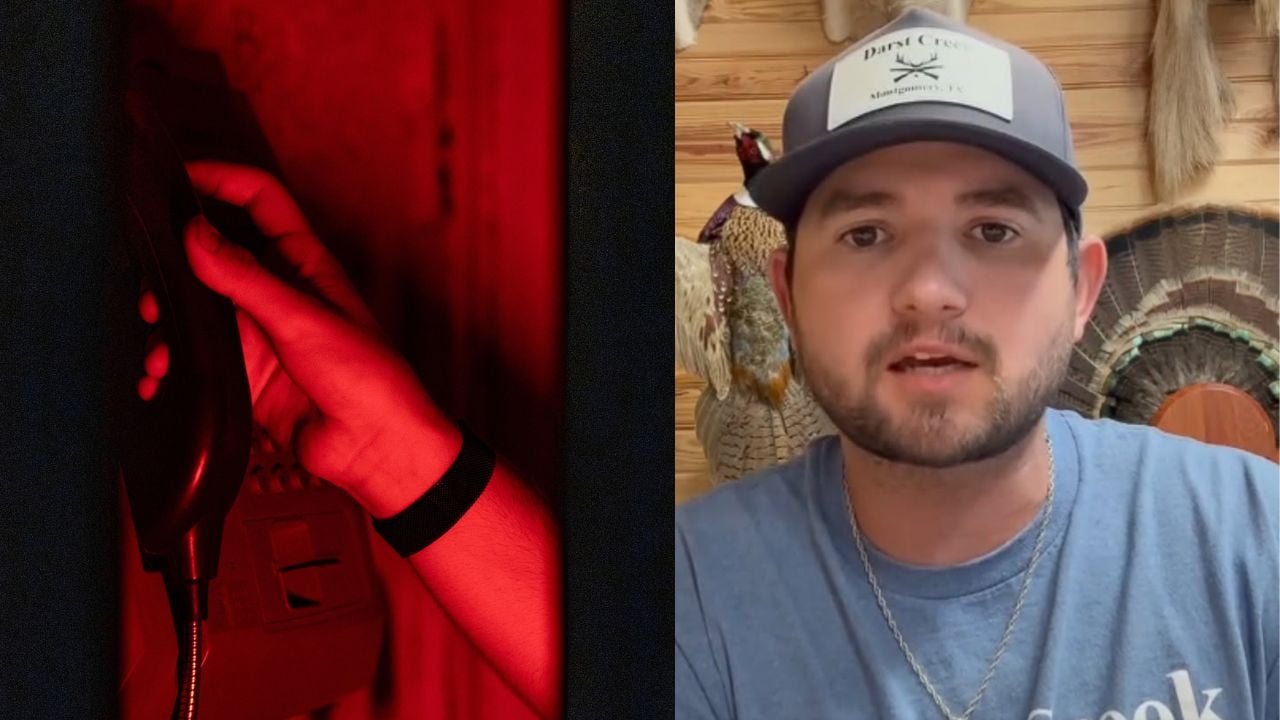
The phone rang at 3:15 a.m. and appeared to be coming from Michael Rollert’s mother.
Rollert, a Montgomery, Texas, man, was out of town at a bachelor party in Port Aransas when his mother’s name and number appeared on his phone, according to Click2Houston.
When he answered, he heard what sounded like a distressed woman struggling to speak. Then a man took over the call and claimed he had Rollert’s mother.
The caller eventually demanded $3,000 through Cash App. Rollert was close to sending the money before the call disconnected. He called his mother directly, and she was safe at home.
The Caller ID Matched His Mother’s Contact
Rollert told KPRC 2 that the timing and caller ID made the call feel real. He was used to spam calls, but not one in the middle of the night from a saved family contact.
His first thought was that his mother might have been in a wreck or that someone was using her phone to tell him she needed help.
The man on the line claimed he had Rollert’s mother and needed cash. Rollert said the caller told him he did not want to hurt her but was “in a bind.”
Rollert also made one important distinction: he did not describe the voice as an obvious AI clone. “No part of this was robotic,” he told KPRC 2.
The Caller Knew the Town and House Details
The call became more convincing when Rollert started asking questions.
According to Click2Houston, the caller correctly named the East Texas town where Rollert’s parents had recently moved. Rollert said the caller also described details of the house, including its size, colors, and driveway.
Those details made the threat harder to dismiss. Rollert said he did not want to ignore the call and later find out the danger was real.
The Dropped Call Stopped the Payment
Rollert tried to buy time while the caller pushed him toward Cash App.
He was preparing to send the $3,000 when the call suddenly disconnected. Rollert immediately called his mother, who answered and confirmed she was safe.
The scammer kept calling while Rollert was speaking with his parents. Rollert later answered one of the calls and merged his parents into the conversation so they could hear the caller themselves.
Law enforcement was contacted, and no money was sent, according to Click2Houston.
Caller ID Can Be Faked
The FCC says caller ID spoofing happens when a caller deliberately falsifies the information shown on a caller ID display.
The FTC warns that family-emergency scammers may pretend to be a loved one or claim a loved one is hurt, arrested, or in danger. The pressure usually comes before the victim has time to verify the story.
The FBI has also warned about virtual kidnapping scams, where callers try to convince victims that a loved one has been abducted even though no kidnapping has happened.
Rollert Says Families Need a Safe Word
Rollert said the experience changed how he thinks about emergency calls and family scams.
He told KPRC 2 that families should choose one secret word or phrase that nobody outside the family could guess.
A safe word would not depend on caller ID, a familiar-sounding voice, or details pulled from public records and social media. It gives relatives one question to ask before money leaves the account.
If a caller claims a loved one has been kidnapped or hurt, the FTC says to slow down and contact that person through a number already known to be real. Another family member, spouse, roommate, or friend may also be able to confirm where the person is before any payment is sent.