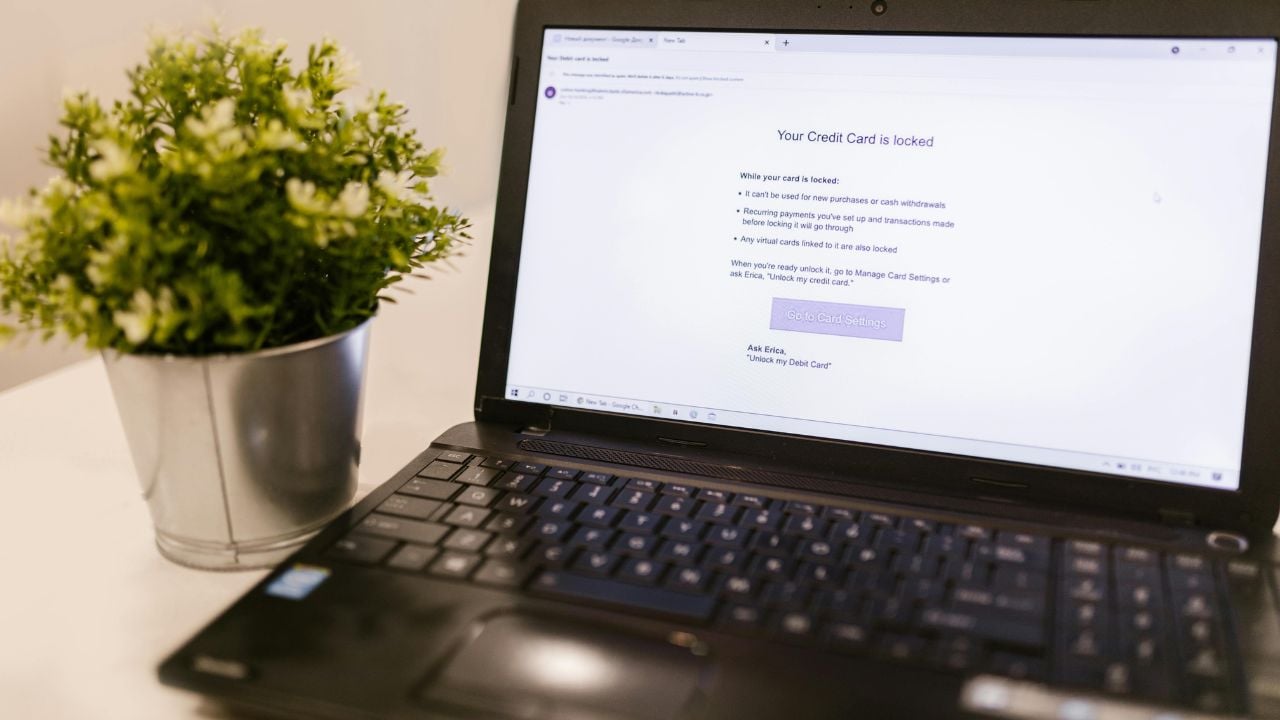
A 69-year-old woman in Lapeer County, Michigan, received an email about a $350 charge on her bank account. Investigators say the message was fake.
The email claimed the charge was fraudulent and needed to be corrected. After the woman entered her information, suspects gained access and moved far more than $350, according to the Lapeer County Sheriff’s Office.
By the time the transfer was made, $49,675 had been wired out of her account.
Detectives later traced the money to a Wells Fargo account in California, obtained a court order, and recovered $43,653.26 for the woman, according to WNEM and Mid-Michigan NOW.
The $350 Email Was the Hook
The Lapeer County Sheriff’s Office began investigating the case on March 6 in Elba Township.
The woman told investigators she had received an email saying her bank account had been charged $350 and that the problem needed to be fixed.
Mid-Michigan NOW reported that after she entered her information, suspects gained wireless access to her computer or phone. WNEM reported that investigators said the suspects gained access to her bank account and transferred $49,675.
The Money Went to a California Account
The money was sent to a Wells Fargo account in California. WNEM identified the account location as San Francisco.
Investigators said the name attached to the receiving account was also fake. The account listed an elderly woman in Missouri as the account holder, according to the reports.
No arrest or named suspect was reported in the sources reviewed.
Detectives Recovered Most of the Money
Detectives sought a court order to seize the receiving account.
After the order was served, Wells Fargo froze the funds. WNEM reported that $43,653.26 remained in the account and would be reimbursed to the woman once processed through the sheriff’s office.
Mid-Michigan NOW reported the same recovered amount and noted that not all of the money was returned.
The Sheriff’s Office Warned Families to Talk About Email Scams
The Lapeer County Sheriff’s Office urged residents to talk with loved ones about scam emails, especially when older adults are being asked to enter bank information or move money.
“Please take time to educate loved ones on these types of scams,” the sheriff’s office said in a press release quoted by Mid-Michigan NOW. “There has been a significant increase just within our own county of vulnerable adults being targeted and taken for hundreds of thousands of dollars.”
The FTC says phishing messages may pretend to come from a bank, credit card company, or another trusted business and ask people to confirm personal or financial information.
Anyone who receives an email about a bank charge should avoid clicking links in the message. Use the bank’s official app, website, card number, or a verified branch number to check the account directly.