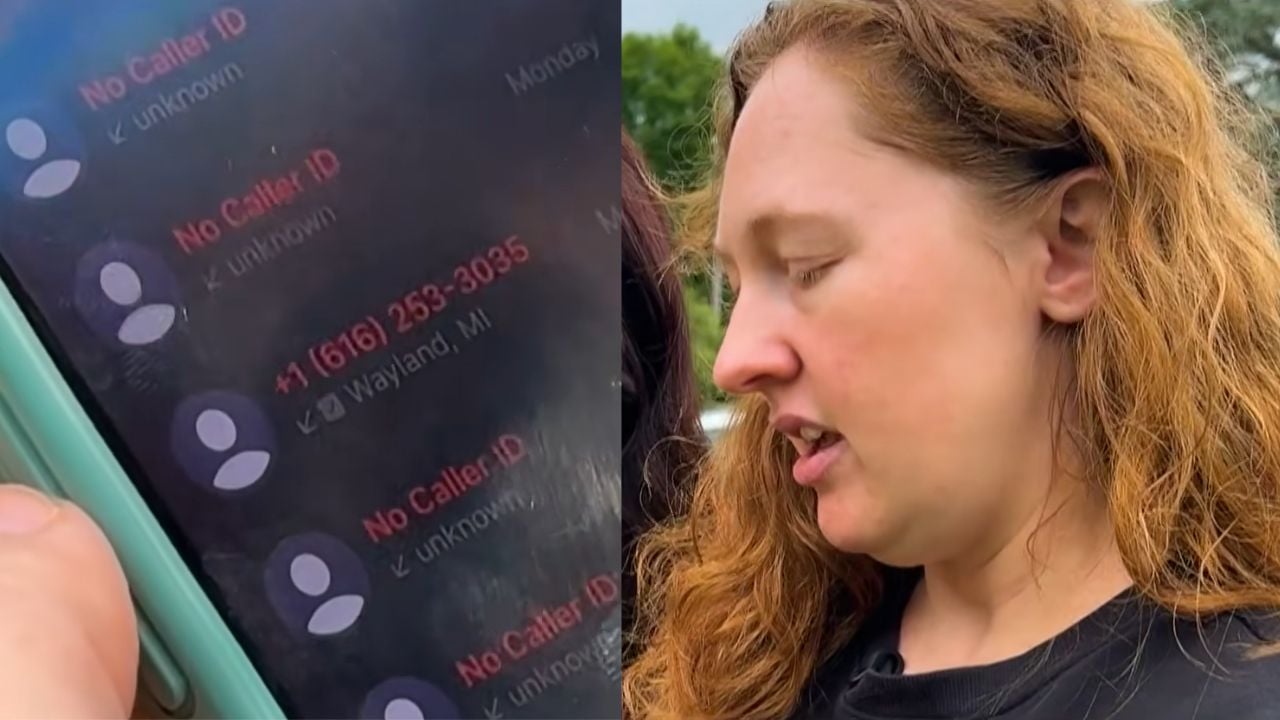
A Kent County woman nearly lost money to a fake deputy scam before a bank teller recognized the warning signs and stopped the payment.
The woman, from Lowell, told WOOD-TV she never expected to be caught in a scam, but the call felt real while it was happening. “At first I felt like an idiot,” she said, describing the moment she realized she had nearly sent money.
The caller claimed to be connected to law enforcement and warned her she could be arrested if she did not pay. The pressure pushed her toward a financial transaction, but a bank teller noticed red flags before the money left her account.
The woman did not lose money. WOOD-TV reported that the teller’s intervention stopped the fake deputy scam before it was completed.
The Caller Used The Threat Of Arrest
Law enforcement impersonation scams often begin with a phone call from someone using the name of a real agency, officer, deputy, court, or government office. The caller may claim there is a warrant, missed court appearance, unpaid fine, missed jury duty, or criminal matter tied to the person’s name.
In the Kent County case, the woman was told she would be arrested if she did not pay. She followed the caller’s instructions far enough to reach the bank before the teller stepped in.
A real sheriff’s office does not call people and demand immediate payment to make a warrant, fine, or criminal allegation disappear.
The Bank Teller Recognized The Red Flags
“At first I felt like an idiot because I thought, ‘How could I fall for that?’ But in the moment, it just felt so real.”
A woman said she nearly fell victim to scammers pretending to be deputies, telling her she would be arrested if she didn’t pay up: https://t.co/sOb1QPBJB5
— WOOD TV8 (@WOODTV) June 26, 2026
Scammers often try to keep victims rushed, frightened, and isolated. A bank employee asking questions can interrupt the call before cash is withdrawn, wired, deposited, or converted into another payment method.
In this case, the teller spotted enough warning signs to stop the woman from completing the transaction. WOOD-TV reported that the woman said the call felt believable in the moment, even though she later questioned how she could have believed it.
Fake deputy scams can sound convincing when callers use real agency names, spoof official phone numbers, or know enough public information to make the threat feel specific.
The Payment Demand Exposes The Scam
The payment method can vary. Scammers may ask for cash, gift cards, wire transfers, payment apps, cryptocurrency, or deposits at kiosks or ATMs.
The demand is the warning sign. If someone claiming to be from law enforcement says money must be sent immediately to avoid arrest or clear a legal problem, hang up and call the sheriff’s office, court, or police department through a number found on an official website.
Residents should not call back the number provided by the caller or rely only on caller ID. A spoofed number can make a scam call look like it is coming from a real agency.