A Reno youth basketball nonprofit thought it was putting down a $40,000 deposit for the hardwood court that would complete its new gym. Police say the money instead went directly into the personal bank account of the flooring company’s general manager.
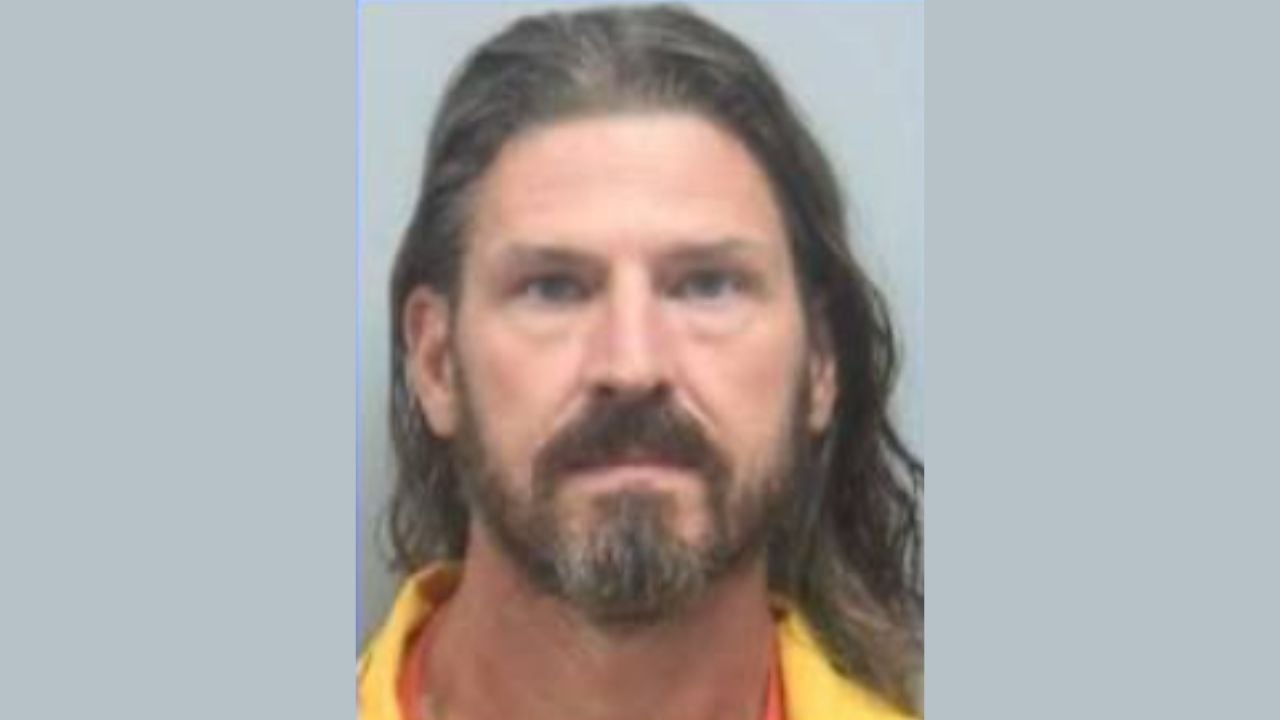
Jared Deveraux, 51, is accused of taking the payment from Reno Tropics Basketball while serving as general manager of an established Idaho basketball flooring company.
Investigators say Deveraux continued communicating with the nonprofit for months and led its representatives to believe their basketball court was being constructed.
But in April, Reno Tropics contacted the company and learned it had no record of the project. Its staff and vice president knew nothing about the transaction, according to 2 News Nevada.
The Nonprofit Was Told the Court Was Being Built
Reno Tropics was developing a basketball facility in south Reno and needed approximately 8,000 square feet of maple flooring to finish the court.
Police say Deveraux provided the nonprofit with an invoice requesting a $40,000 deposit. Reno Tropics wired the payment to the bank account listed on the invoice, believing it was paying the company for the flooring project.
After receiving the deposit, Deveraux allegedly remained in contact with Reno Tropics and gave its representatives the impression that work on the court was progressing.
The nonprofit eventually contacted the flooring company directly in April 2026 and learned there was no record of its project or payment. Police say the hardwood court had never been built and construction had not even started.
The Missing Floor Delayed a Gym That Was Nearly Finished
KOLO previously reported that Reno Tropics began developing the facility near the end of 2025 with support from donors and local partners.
By the time the flooring problem surfaced, hoops had been installed, lighting was finished, wall padding was in place and painting was largely complete. The hardwood floor was one of the last major pieces needed before the gym could be fully used.
The volunteer-run nonprofit then had to seek another flooring provider while continuing to pay expenses associated with the unfinished facility.
Reno Tropics said it was trying to raise $68,000 to cover the loss, warehouse expenses and the cost of restarting the flooring project. Its goal is to operate what the organization describes as Northern Nevada’s only dedicated basketball facility.
Deveraux Was Arrested in Idaho
The Washoe County District Attorney’s Office charged Deveraux with obtaining money by false pretense involving $25,000 to $100,000, possession of a forged instrument, uttering a forged instrument and theft involving $25,000 to $100,000.
Authorities arrested him Aug. 14 in Pocatello, Idaho, with assistance from the Bannock County Sheriff’s Office Street Crimes Unit and the Idaho Department of Correction’s Parole and Probation division.
He was being held at the Bannock County Jail while awaiting extradition to Washoe County. The Nevada warrant carries bail of $500,000.
He Was Still on Parole From an Earlier Theft Case
Deveraux has a prior Idaho conviction involving money diverted from businesses where he worked. In 2017, he was sentenced to five to 20 years in prison after pleading guilty to six counts of grand theft involving nearly $400,000 taken from roofing companies. Prosecutors dismissed 39 additional grand theft counts as part of that plea agreement.
Contemporaneous reporting said that earlier scheme also involved customer payments being diverted away from employers and into accounts Deveraux controlled.
Current Idaho Department of Correction records list Deveraux on parole from that case, with his sentence scheduled to remain active until 2030.
Wire Instructions Should Be Verified Outside the Invoice
Organizations making large deposits to vendors can add a separate verification step before sending a wire, even when they are already dealing with someone who genuinely works for the company.
The FBI recommends independently confirming payment requests and account information through a known contact. A nonprofit receiving an invoice can call the vendor’s established office number and confirm that the bank account belongs to the business before releasing a substantial payment.
Large wires can also require approval from more than one person, particularly when they involve a new vendor or bank account. The person who approves the project does not have to be the same person who verifies the recipient and releases the money.
If a fraudulent wire is discovered, the FBI advises contacting the financial institution immediately and requesting that it contact the receiving bank in an attempt to recover the funds. Organizations can also report qualifying wire and payment fraud through the FBI’s Internet Crime Complaint Center.