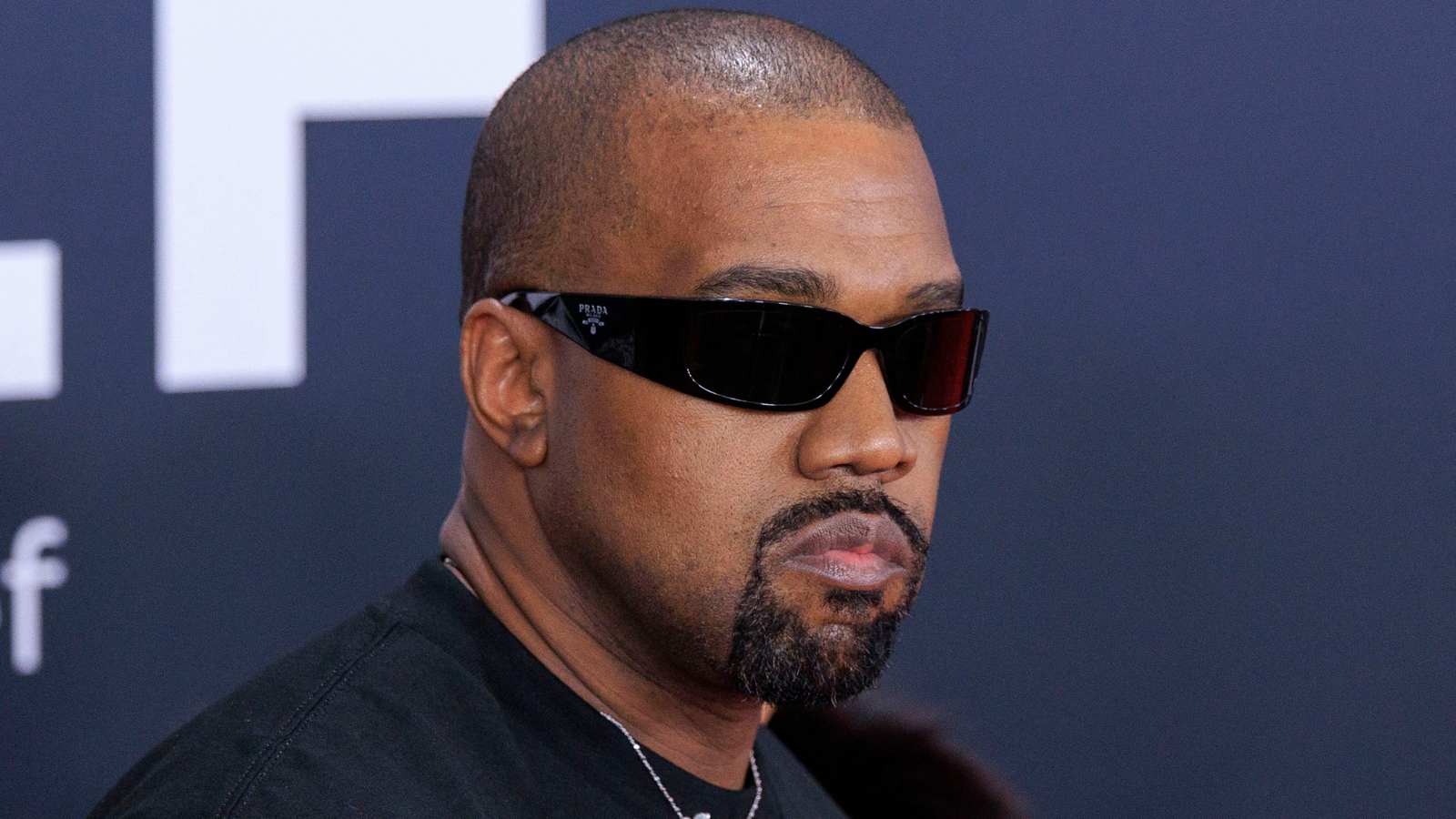
Kanye West, now legally known as Ye, is officially back in stadium mode, and the internet is once again staring at the entertainment industry like, “Wait… we’re doing this again?” A sold-out concert at Dinamo Arena in Tbilisi, Georgia, is drawing intense backlash after Rolling Stone reported on Thursday, May 14, that the event is being produced in partnership with Israeli businessman Guy Beser and his company, Blue Stone Productions.
All 70,000 tickets vanished within a single day. And yes, this is the same Ye who released a music video titled “Heil Hitler” in 2025, sold swastika T-shirts on his website, and used Super Bowl ad slots to promote them. So naturally, people are spiraling.
The Georgia Show Is Bigger Than Just a Concert
This is where the story stops being regular concert news and becomes a giant headache for the entertainment industry. The Tbilisi show is part of “Starring Georgia,” a government-backed initiative designed to bring major international artists to the country. Which means public money is helping fund a stadium comeback for an artist who spent the last several years becoming one of the most controversial figures in pop culture.
Production crews have already landed in Tbilisi, and the venue is reportedly being transformed into a massive 360-degree stage setup inside the 70,000-seat arena. The craziest part is still the demand. Every ticket sold out in about 24 hours, which instantly turned the concert into one of those “the culture has officially entered the group chat” moments.
The event is being promoted by Guy Beser, founder and CEO of Live Nation Israel, according to his LinkedIn profile. His company, Blue Stone Productions, is officially handling the concert. And this is exactly where things start getting messy enough to make entertainment executives sweat through their expensive blazers.
Dumbass it’s not even Live Nation Israël but Live nation Asia so why lie 🤡
— YeezyMadeMeDoIt✨ (@GetInspired_EU) May 14, 2026
Wait, Is Live Nation Involved or Not?
Rolling Stone’s original report described the concert as a Live Nation Israel production. Live Nation quickly pushed back, according to TMZ, clarifying that it is not producing or promoting the show directly. According to the company, the event is being handled entirely by Blue Stone Productions, and Live Nation has “no skin in the game.”
Except the internet immediately clocked the obvious complication. Live Nation purchased a majority stake in Blue Stone Productions back in 2017, and the companies have worked together for years. Beser still publicly identifies himself as the head of Live Nation Israel, which made the corporate distancing campaign land a little awkwardly online.
Rolling Stone also reported that Live Nation Israel internally operated under the label “Live Nation Central Asia” for work in Georgia, Armenia, and Azerbaijan. That detail sparked even more debate online, with one X user writing, “Dumba** it’s not even Live Nation Israel but Live Nation Asia so why lie.”
Whether Live Nation profits financially from the concert through its ownership stake in BSP remains unclear. But one user summed up the mood online with brutal simplicity: “Money is all that matters to them.”
Let’s Actually Talk About What Ye Did
Because somewhere between the corporate statements and concert logistics, there is still the giant neon elephant in the room. Ye’s antisemitic controversies were not one messy interview or one regrettable tweet posted at 3 a.m. after too much caffeine. This has been years of escalating public behavior that repeatedly shocked even people who thought they had already heard it all.
Back in 2022, Ye posted that he was going “death con 3 on JEWISH PEOPLE,” referencing the U.S. DEFCON alert system. He later praised Hitler during an appearance on Alex Jones’ show, wore a “White Lives Matter” shirt at Paris Fashion Week, and made comments claiming slavery was a choice. CBS News later described it as part of his “long history” of publicly praising Nazis and Adolf Hitler.
Then came 2025, which somehow pushed the chaos into an even darker place. Ye released the “Heil Hitler” music video filled with Nazi imagery, sold swastika shirts through his website, and bought Super Bowl ad slots to promote them. Even by celebrity scandal standards, people were stunned. Rolling Stone described him at the time as a “cultural and business pariah,” and honestly, that label stuck hard.
The fallout was immediate and enormous. Adidas ended the Yeezy partnership. Balenciaga cut ties. CAA dropped him. A documentary backed by MRC Entertainment got scrapped entirely. Adidas eventually sold its remaining Yeezy inventory and donated part of the profits to organizations including the Anti-Defamation League and the Philonise & Keeta Floyd Institute for Social Change.
The Apology Tour Has Been… A Lot
Over the last year, Ye has been trying very hard to rebuild bridges, although the public response has been wildly mixed. In one Instagram post written entirely in Hebrew, he apologized to the Jewish community and said he deeply regretted any pain his words and actions had caused.
He later met with Israeli Rabbi Yoshiyahu Pinto in November 2025, according to The Jerusalem Post, where he reportedly expressed remorse again. Then came the full-page Wall Street Journal letter in early 2026, where Ye wrote, “I lost touch with reality… I’m not a Nazi or an anti-Semite. I love Jews.” He connected some of his behavior to a brain injury and his bipolar disorder diagnosis.
TMZ also reported that he visited the Jewish Human Rights Center and later appeared onstage with Dave Chappelle, which many people viewed as Hollywood cautiously cracking open the comeback door. But the issue is consistency. Ye has apologized before, then reversed course weeks later.
In 2022, he admitted the “death con 3” tweet was wrong and apologized publicly. Shortly afterward, he was back on podcasts praising Hitler again. The ADL responded carefully to his Hebrew apology, calling it “the first step on a long journey towards making amends,” while reminding everyone that actions matter more than statements typed into Instagram Notes.
Jewish entertainers such as Seth Rogen and Jon Stewart reportedly remain firmly unconvinced. So yes, the divide between people willing to hear Ye out and people completely done with him has basically become the defining storyline of this comeback era.
The UK Said No. Israel is saying no, too
Ye’s road back into the mainstream has been anything but smooth internationally. Reports say several European countries rejected him outright, while the United Kingdom became one of the biggest flashpoints.
UK Prime Minister Keir Starmer was among the figures involved in the decision to block Ye from entering the country, which eventually led to the cancellation of Wireless Festival after he was barred from performing there.
In Israel, the debate has become especially tense. The Jerusalem Post reported ongoing talks about a possible Ye concert, while major figures in the country’s music scene publicly pushed back. Tel Aviv club owner Shaul Mizrahi told Walla he would support a boycott against any producer who brought Ye to Israel.
Executives quoted in Rolling Stone and republished by TMZ described the Georgia concert as “disgusting” and “deeply hurtful,” adding, “Everything Kanye has said and done against the Jewish community is unforgettable, and for many people, deeply hurtful. At the same time, it raises difficult questions about where the industry draws the line between business, entertainment, and accountability.”
So, What Does Any of This Mean Going Forward?
The Georgia concert has turned into a giant culture-war pressure cooker. A government-backed initiative is helping fund a stadium concert for an artist who released a video called “Heil Hitler.” An Israeli promoter is producing it. A major corporation connected financially to that promoter insists it is uninvolved. And 70,000 people still bought tickets in a single day.
Back in April 2026, Ye said, “I know it takes time to understand the sincerity of my commitment to rectifying the situation.” Right now, the entertainment industry seems deeply split on whether this comeback is redemption, reputation laundering, or simply proof that controversy still sells faster than almost anything else in pop culture.
One thing, however, is crystal clear. The conversation around Ye is nowhere close to ending. And somehow, neither is Ye himself.