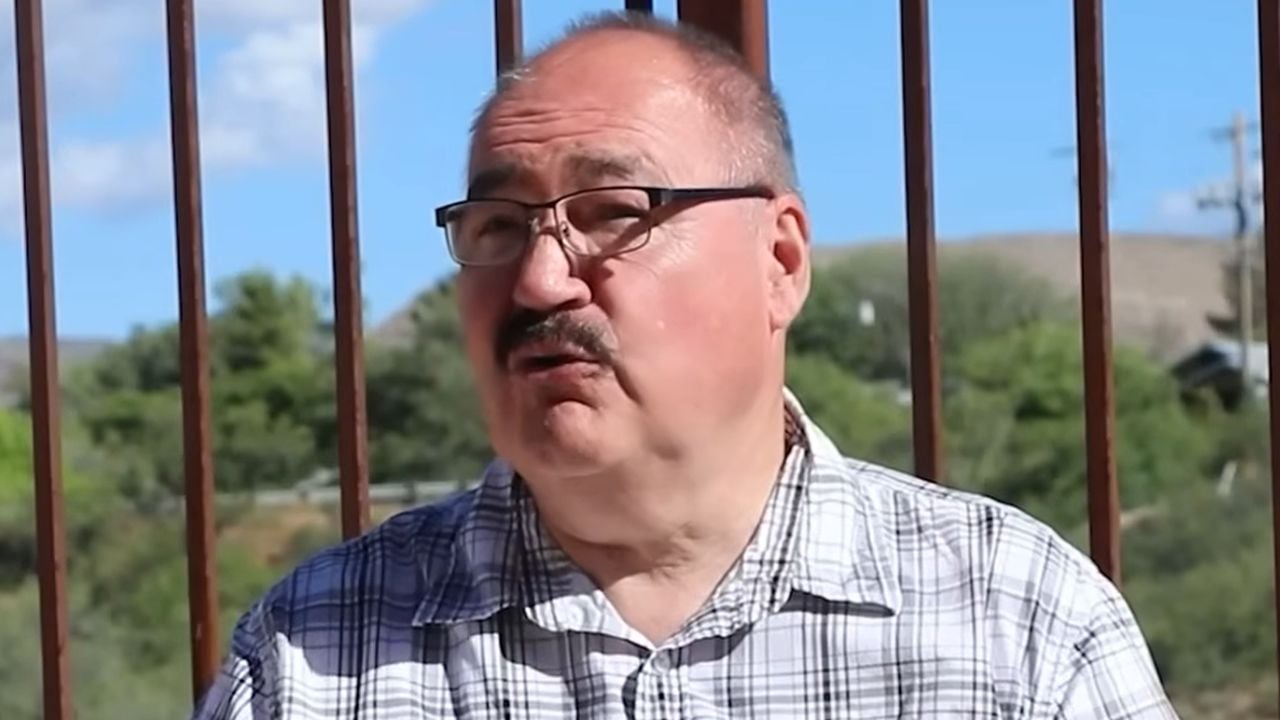
The bank “courier” was supposed to collect a woman’s debit cards. Instead, an Uber driver pulled up, heard one question, and recognized the hand-off before it happened.
The woman, who is in her 90s, lives in the Village of Oak Creek southeast of Sedona. Arizona’s Family reported that she received a call from someone pretending to be with Wells Fargo, according to the Yavapai County Sheriff’s Office.
Deputies said the caller ID showed what looked like a legitimate Wells Fargo phone number. The caller told the woman that her debit cards and personal information had been hacked, then gave her an instruction no real bank should give after a surprise phone call: put the cards in a bag, wait for a courier, and do not tell anyone.
She was outside with a walker, a bag, and her phone when Michael, an Uber driver and former police officer, arrived nearby for a pickup.
The Caller Turned a Fake Bank Alert Into a Doorstep Hand-Off
The call began with a claim that sounded urgent and familiar: hacked debit cards and exposed personal information. The phone screen made the story look safer than it was because the caller ID appeared to match Wells Fargo.
The FDIC warns that bank impersonation scams often pose as security alerts or urgent account problems. The agency says imposters may ask for Social Security numbers, credit or debit card numbers, bank account passwords, or other personal information.
In this case, deputies said the caller went further. The woman was told to hand her debit cards to a courier and keep the situation private.
Arizona’s Family reported that the woman later said the caller knew what he was doing. By the time Michael arrived, she was waiting for the person she believed had been sent by the bank.
Michael Was Not the Courier
Michael told Arizona’s Family that the woman approached his vehicle and asked whether he was the courier. He told her he was an Uber driver.
He then asked whether she was being directed to give gift cards to someone. The woman said she could not talk about it because she had “some kind of confidentiality” to follow.
That secrecy instruction matched one of the warning signs deputies later listed. The Yavapai County Sheriff’s Office said scammers may tell victims not to tell anyone what is happening while creating urgency around supposedly hacked cards or personal information.
Michael, who had worked as a police officer, recognized the pattern. He told her it was a scam and not to go through with it. The woman handed him the phone, and he said he heard the call disconnect.
She followed his advice. Arizona’s Family reported that she did not give a stranger her cards or information.
Deputies Say the “Courier” Instruction Is the Red Flag
The Yavapai County Sheriff’s Office listed several tactics tied to the attempted hand-off: pretending to be from a bank, spoofing phone numbers that appear real, claiming cards or personal information have been hacked, telling the victim to keep the call secret, and directing the person to get a bag and wait for a “courier.”
The courier demand is the part that should stop the conversation. A person who gets a call like this should hang up and contact the bank through a number they already trust.
The FDIC gives the same practical step for suspicious bank messages: call the bank directly using a familiar phone number, such as the one printed on a debit or credit card. The agency also says not to use a phone number provided by someone unfamiliar and not to click links or provide information unless the customer is certain they are dealing with the bank.
The Woman Never Handed Over Her Cards
The FTC says anyone who gave a scammer debit-card or credit-card information should contact the card issuer, report the exposure or charge, and ask whether the transaction can be reversed. Anyone who gave out a Social Security number should use IdentityTheft.gov for recovery steps.
The FBI’s Internet Crime Complaint Center also advises older fraud victims to contact their banks, protect their credit, report the incident to local authorities, and file a complaint with IC3.
In the Sedona-area case, Michael arrived before the hand-off. The woman credited him with stopping what she was about to do.
“I think the good Lord sent him there,” she told Arizona’s Family. “Angels are everywhere.”