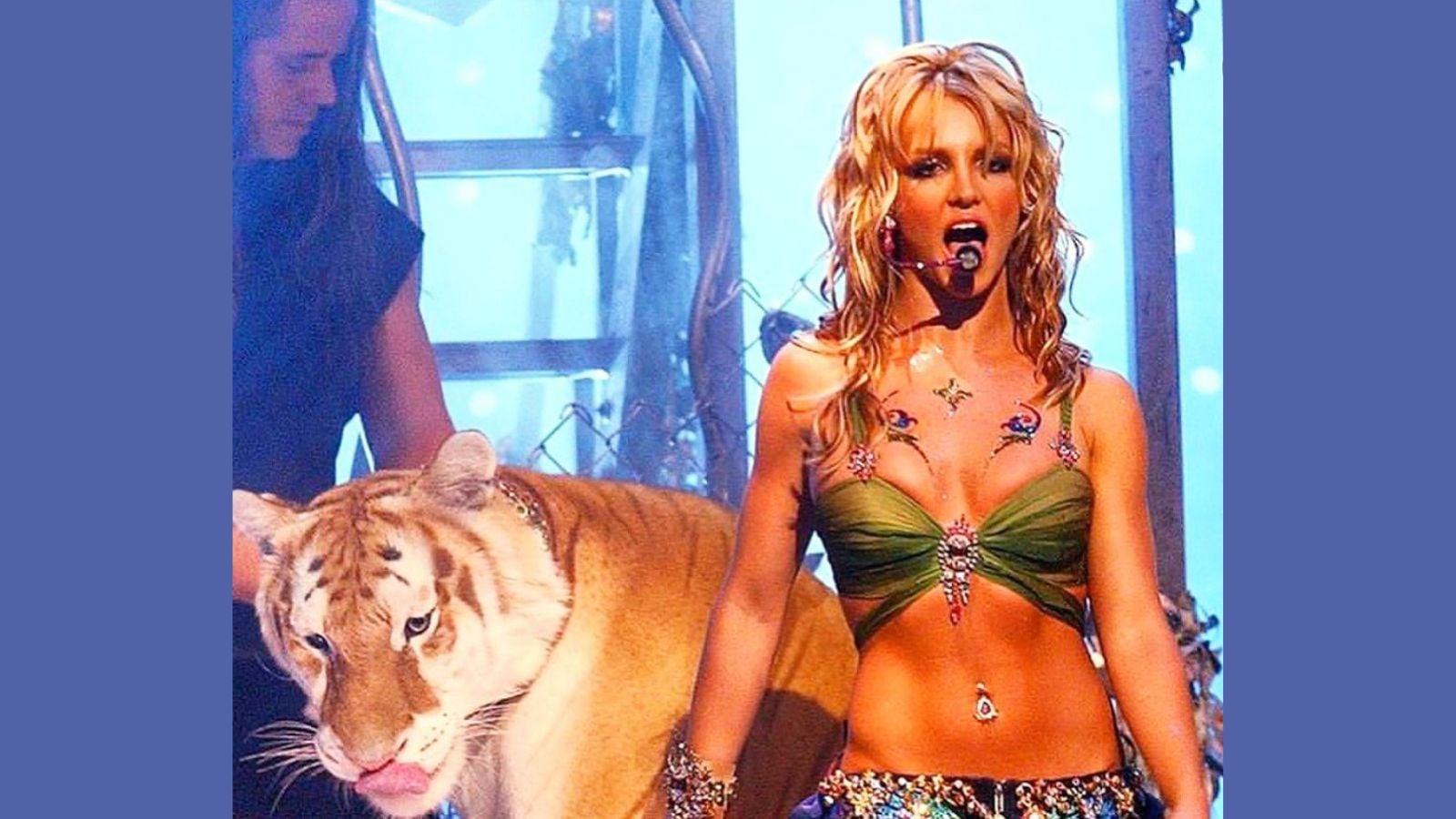
Britney Spears reportedly sold her entire music catalog to Primary Wave Music for roughly $200 million on December 30, and the internet immediately started mourning like she’d torched her legacy in a barrel. But here’s what everyone screaming about “selling out” is missing: for 13 years, Britney couldn’t access her own bank account.
She couldn’t buy a book without permission. And now they’re mad she chose guaranteed money over trusting the same industry that let her father control every dollar she earned?
While legal documents finalized the sale on December 30, reports from TMZ state she was ‘happy’ and celebrated privately with her kids. This isn’t a surrender; it’s the sound of someone finally reclaiming their financial autonomy and choosing security on their own terms
The deal covers every song that defined millennial pop culture. We’re talking “Baby One More Time,” “Toxic,” “Oops I Did It Again,” “Gimme More,” “I’m a Slave 4 U,” “Lucky,” and “I’m Not a Girl, Not Yet a Woman.” Primary Wave now owns her artist royalties and her publishing stake, though the full terms are locked behind NDAs, per the Los Angeles Times.
She hasn’t released an album since 2016, and her last musical appearance was that Elton John collab in 2022. In 2024, she publicly vowed she’d never return to the music industry after everything the conservatorship put her through, according to the BBC.
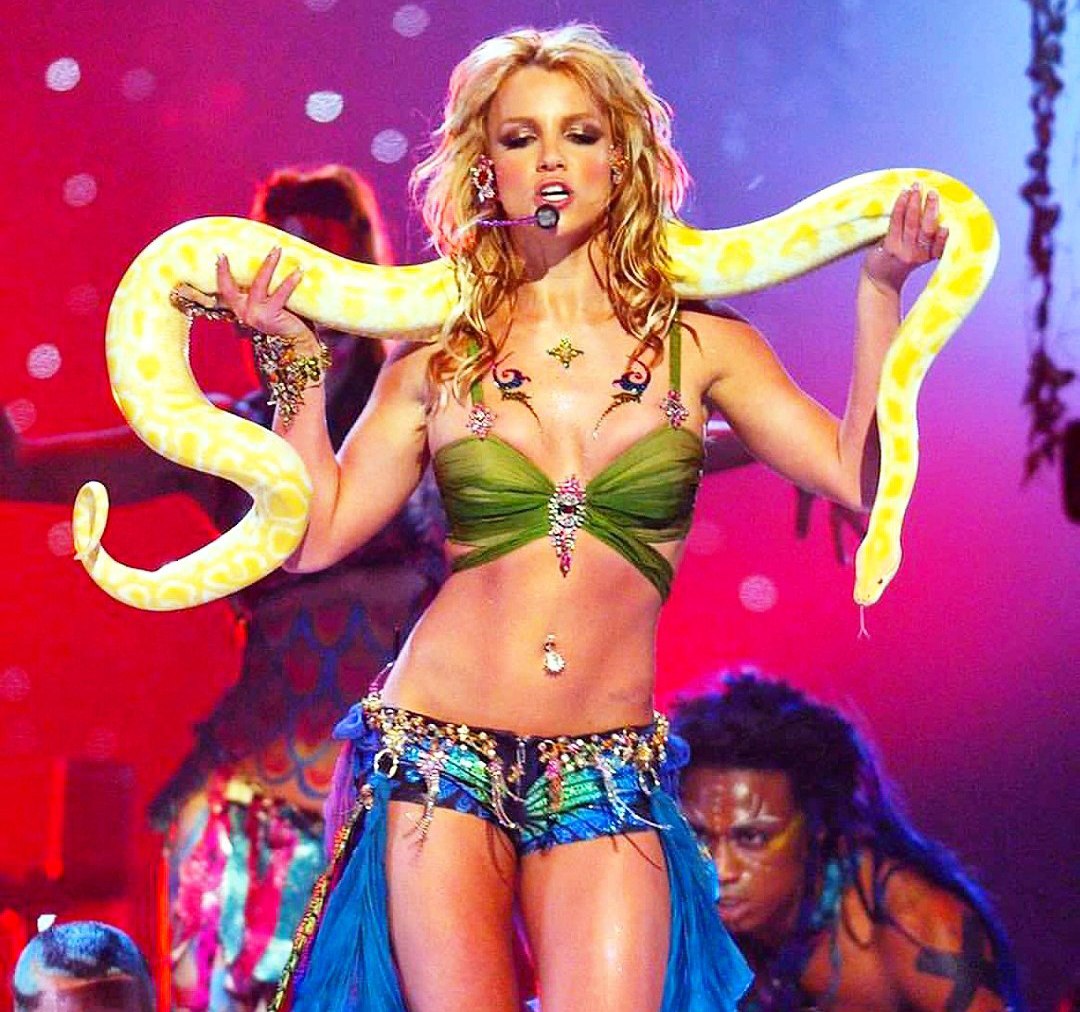
So why sell now? Because $200 million in hand is worth more than decades of royalty checks when you’ve spent over a decade watching other people spend your royalties.
Primary Wave Didn’t Buy Music, They Bought a Money Printer
Let’s be clear about what Primary Wave actually does. They don’t make music. They don’t develop artists. They buy catalogs from legends and then squeeze every possible dollar out through streaming, licensing, and now AI remixes.
They already own pieces of Kurt Cobain’s estate (a 50 percent stake that basically launched the firm), Prince, Biggie Smalls, Bob Marley, Stevie Nicks, and Whitney Houston. Britney’s catalog pulls over 1 billion Spotify streams and over 500 million YouTube views annually, generating an estimated $30 million in royalties every year.
Do the math. If Primary Wave paid around $200 million, they’re looking at breaking even in roughly seven years, and then it’s pure profit forever. Primary Wave secures a “perpetual annuity” of pop culture’s most recognizable hits. For Britney, the $200 million lump sum provides immediate liquidity and total separation from an industry she has vowed to leave behind.
And people are confused about why she took the lump sum?
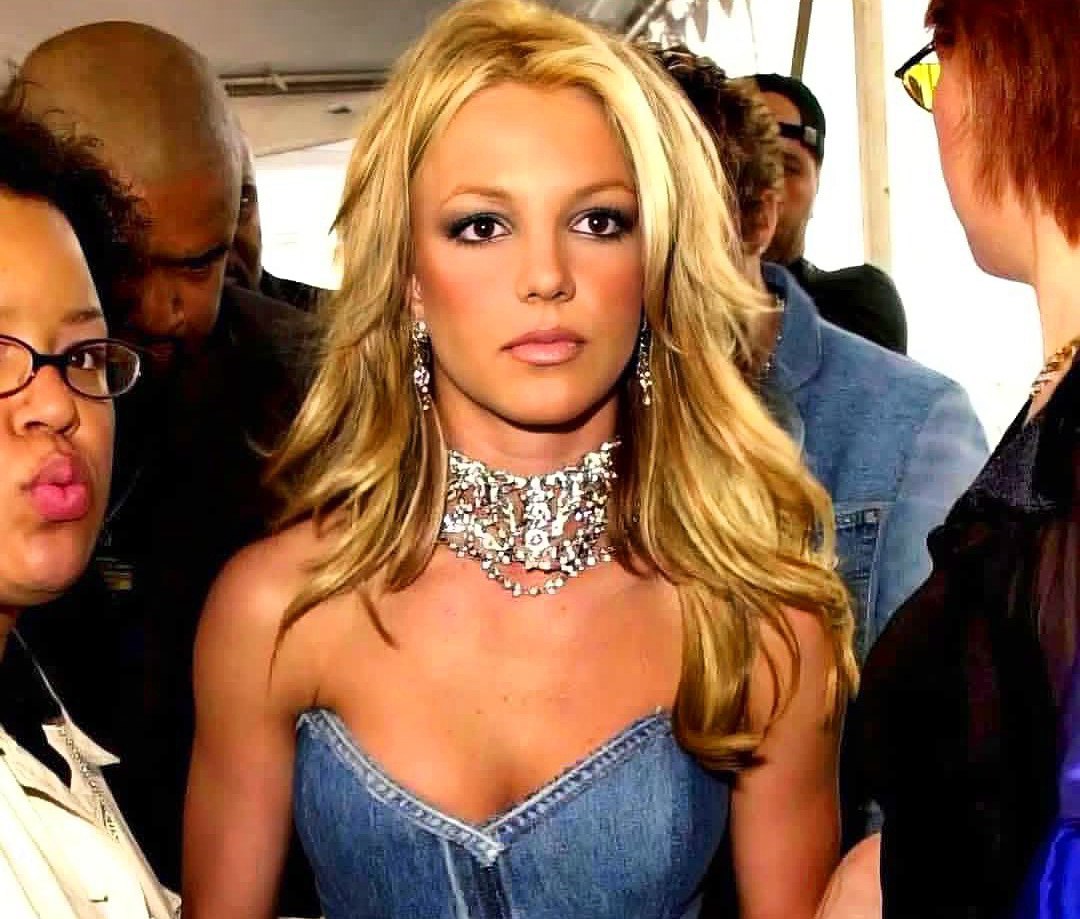
The Conservatorship Changed How We Should Think About Artist Deals
Here’s the part that makes this story bigger than just another catalog sale. Justin Bieber sold his catalog to Hipgnosis Songs Capital for a similar price in 2023, but Bieber was never legally prohibited from making his own financial decisions. Britney was. For over a decade, she performed in Vegas, released albums, and went on world tours while her father controlled whether she could buy a coffee.
TMZ reported that the timing of this sale, right after finally escaping that nightmare, signals something fans need to hear: she’s choosing immediate security over long-term industry promises because the industry already proved it can’t be trusted with her.
Some fans are furious, and it might seem like Britney is giving Primary Wave veto power over Vegas residencies, hologram tours, or any future projects. But let’s not ignore that she explicitly said she’s done with the music industry. She meant it. This sale is the legal punctuation mark on that sentence.
The #FreeBritney movement fought to give her autonomy, and now she’s using that autonomy to walk away with generational wealth that nobody can take from her. That’s not betrayal. That’s exactly what freedom looks like when you’ve been trapped.
This Is What Happens When the System Breaks Artists First
The real villain in this story isn’t Britney for selling, and it’s not even Primary Wave for buying. It’s a music industry that pays artists less than one cent per stream while catalog investment firms make billions.
It’s a legal system that allows a conservatorship to strip a functioning adult of basic financial rights for 13 years. It’s a culture that expects artists to keep performing, keep creating, keep feeding the machine even after it chews them up.
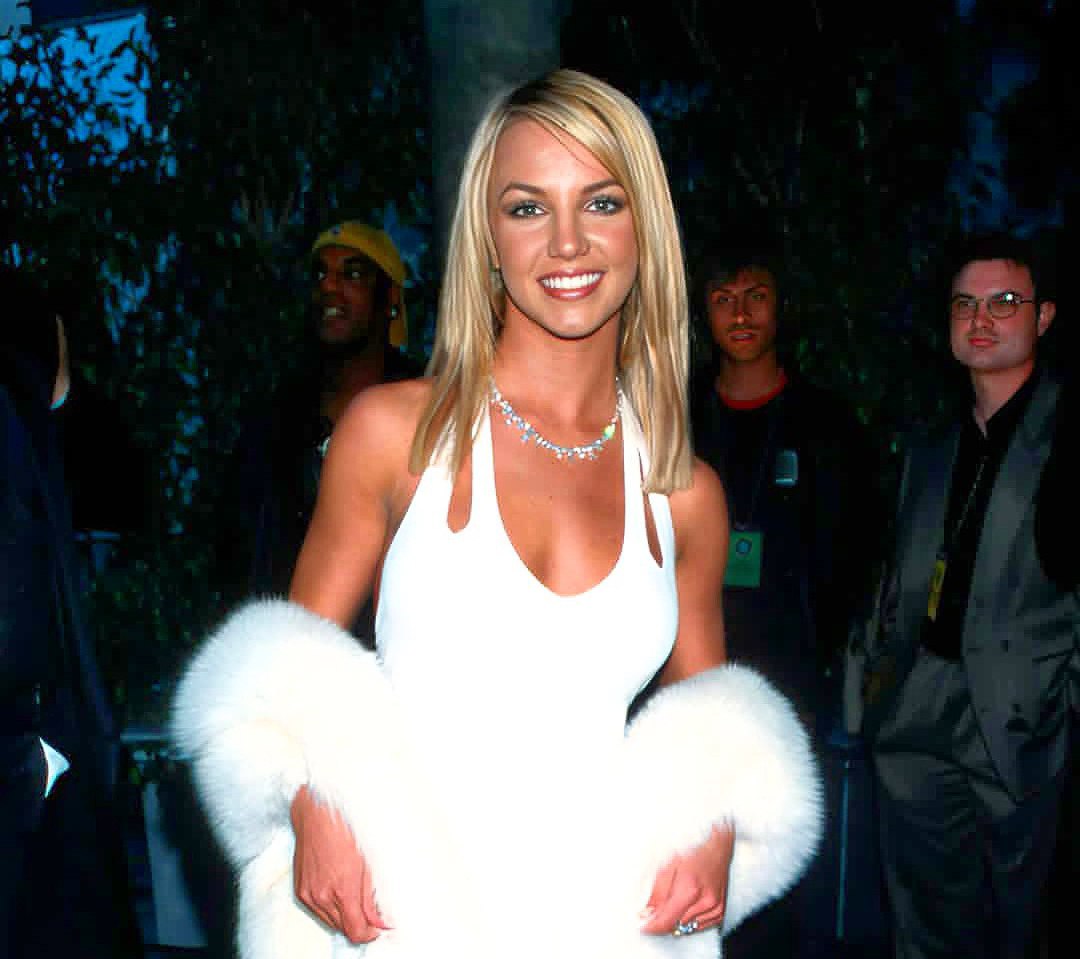
Britney Spears spent her twenties and thirties making other people rich while losing control of her own life. Now she’s 44, legally free, and sitting on $200 million that nobody can touch. She’s not coming back. She’s not doing the reunion tour. She’s not letting Primary Wave turn her into a hologram.
She signed the papers, celebrated with her kids, and moved on. And honestly? After everything she’s been through, that’s the happiest ending we could’ve hoped for.