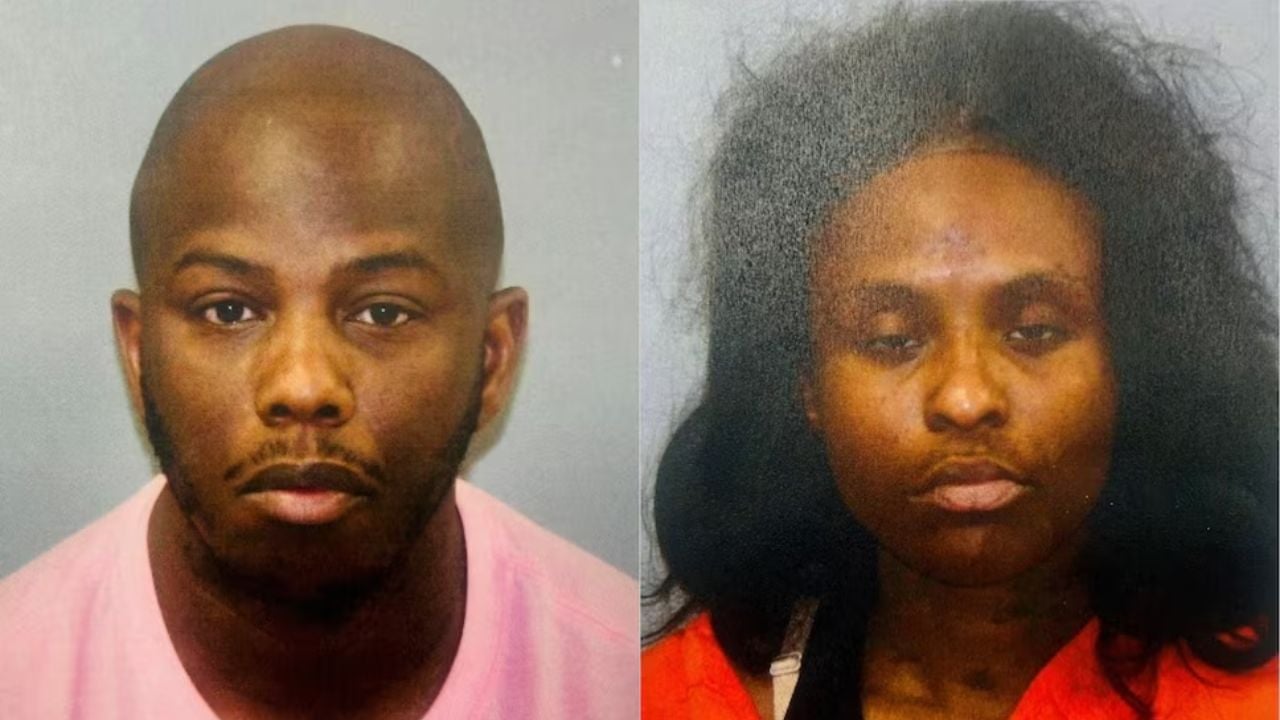
Two people were arrested in Mecosta County, Michigan, after deputies said a retail-fraud investigation tied them to Walmart and Meijer stores in multiple counties.
9&10 News reported that deputies arrested 42-year-old Rodney Yarber and 26-year-old Destiny Carrillo at about 2:50 p.m. on June 23 during a traffic stop on southbound U.S. 131 near mile marker 130 in Big Rapids.
The arrest followed an attempted retail fraud at the Walmart in Big Rapids Township, according to the sheriff’s office. Deputies said the two were also suspects in multiple retail frauds at Walmart and Meijer in Big Rapids Township on June 20.
The investigation then widened beyond one township. Authorities said they suspect the pair in retail frauds valued at more than $6,000 at Meijer stores in Kent, Mecosta, and Ottawa counties since February 2026.
The Arrest Followed An Attempted Walmart Retail Fraud
According to 9&10 News, the Mecosta County Sheriff’s Office said deputies arrested Yarber and Carrillo after the reported attempted retail fraud at the Big Rapids Township Walmart.
UpNorthLive reported that the sheriff’s office linked the suspects to more than $6,000 in suspected retail fraud across Kent, Mecosta, and Ottawa counties. The outlet identified the stores involved as Walmart and Meijer.
Big Rapids Daily News reported that Yarber and Carrillo were accused of committing retail fraud at both Walmart and Meijer stores in Big Rapids Township on June 20. Authorities also linked the pair to additional Meijer incidents in Kent and Ottawa counties dating back to February, according to the outlet.
One Suspect Was Charged With Organized Retail Fraud
Yarber was charged with organized retail fraud and posted a $35,000 bond, according to local reports.
Carrillo was charged with first-degree retail fraud and also posted bond. The amount of Carrillo’s bond was not disclosed in the reports reviewed for this article.
Big Rapids News reported that the two are presumed innocent unless proven guilty in court. No additional case details were available at the time of that outlet’s publication.
Loss-Prevention Teams Helped The Sheriff’s Office
The Mecosta County Sheriff’s Office was assisted by Meceola Consolidated Central Dispatch, Mecosta Township Fire and Rescue, Meijer Loss Prevention, and Walmart Loss Prevention, according to 9&10 News.
Retail-fraud investigations often depend on store records because one incident can connect to another through surveillance video, receipts, attempted returns, license-plate information, merchandise records, or reports from loss-prevention employees.
Shoppers Should Watch For Charges And Store-Account Activity
Retail-fraud cases can look like a store-only problem, but they can also overlap with stolen cards, compromised online accounts, fraudulent returns, gift-card purchases, and merchandise bought before a cardholder notices anything is wrong.
The reports in this case did not say any individual shopper had reported a fraudulent charge connected to the suspects. Still, the multi-store pattern is a reminder for customers to watch bank cards, store apps, loyalty accounts, and online order histories for activity they do not recognize.
Small charges, unfamiliar pickup orders, return credits, gift-card purchases, or store-account changes can be early signs that payment information or a retail account has been misused. Turning on transaction alerts can help customers catch the first suspicious charge instead of finding it weeks later on a statement.
Anyone who sees a Walmart, Meijer, or other retail charge they did not make should lock the card if possible, contact the card issuer through the official app or the number on the back of the card, dispute the charge, request a replacement card, and change passwords on any retail account tied to that payment method.
Customers should also save screenshots, receipts, order numbers, and bank alerts. If a retailer, bank, or police agency later investigates the transaction, those records can help show when the charge appeared and whether the customer authorized it.