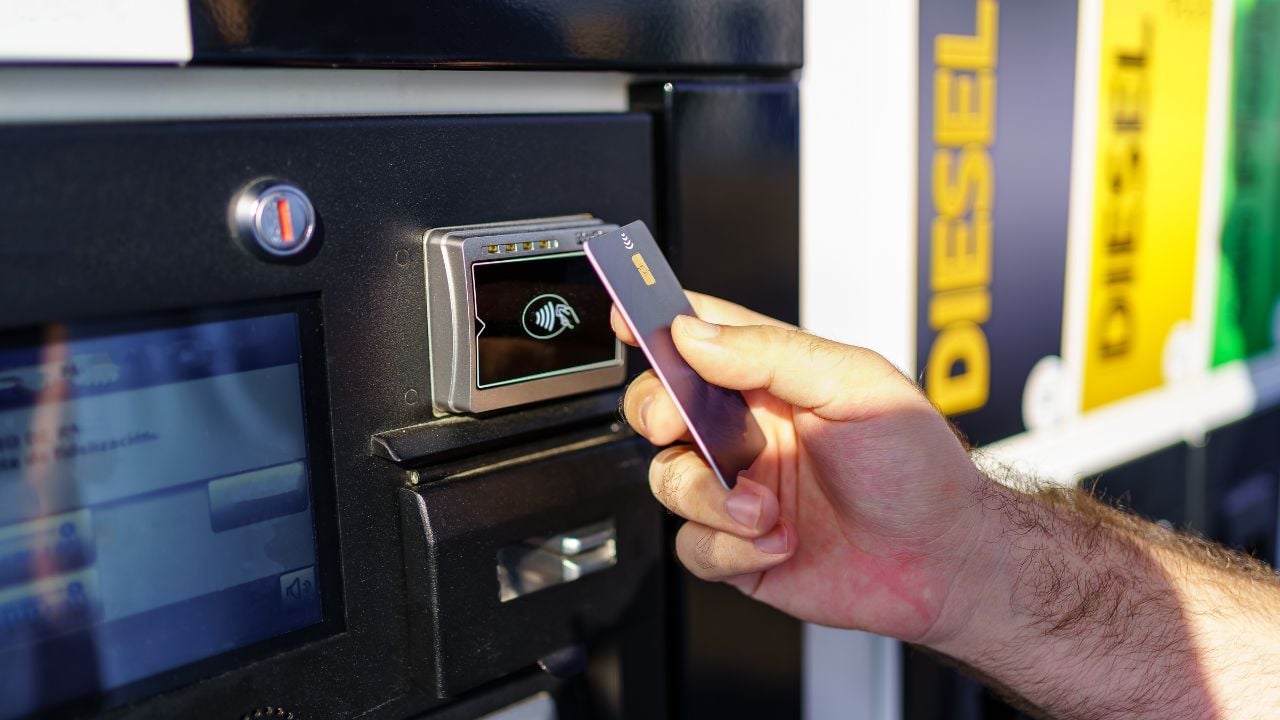
An Indianapolis man is facing felony charges after court documents said he used company fuel cards to buy more than $118,000 worth of gas at one Lawrence gas station.
WTHR reported that 35-year-old Troy Lillard is accused in a case involving Get Fresh Produce, a foodservice distributor with a Whitestown presence. The station reported that Lillard worked as a driver for the company.
Whitestown police officers responded to a fraud report from Get Fresh Produce on January 13, according to court documents cited by WTHR.
Lillard is facing charges of fraud of at least $100,000 and theft valued at less than $50,000. The charges are allegations unless proven in court.
Court Documents Say The Gas Purchases Topped $118,000
The main figure in the case is more than $118,000. WTHR reported that court documents accuse Lillard of fraudulently using company fuel cards to buy gas at a station in Lawrence.
Investigators said the purchases were tied to fuel cards checked out during Lillard’s employment with Get Fresh Produce, according to the station’s summary of the court documents.
The Company Reported The Fraud In January
Get Fresh Produce describes itself as a foodservice distributor. FreshEdge Foods, the company group tied to Get Fresh Produce, says Get Fresh began in 1982 and specializes in fresh fruit, vegetables, specialty foods, and dairy.
WTHR reported that Whitestown police responded to the company’s fraud report on January 13. The alleged purchases were tied to a gas station in Lawrence, more than 30 miles from Whitestown by road.
Fuel-Card Misuse Can Hide In Normal Business Spending
Fuel-card misuse can be harder to spot than a single stolen credit card because the card is supposed to be used for gas. The warning sign is usually a pattern: repeated fill-ups, off-route locations, purchases outside normal work hours, or fuel totals that do not match mileage.
For fleet-heavy businesses, fuel cards need controls beyond trust. Driver PINs, vehicle IDs, odometer prompts, spending limits, merchant restrictions, alerts, and exception reports can help flag purchases that do not match the route, vehicle, or employee assigned to the card.
Companies that suspect fuel-card misuse should preserve transaction logs, invoices, pump data, employee schedules, GPS or route records, and any internal card-use policy. If the numbers suggest unauthorized spending, the employer should suspend the card, document the loss, and report the suspected fraud to law enforcement.