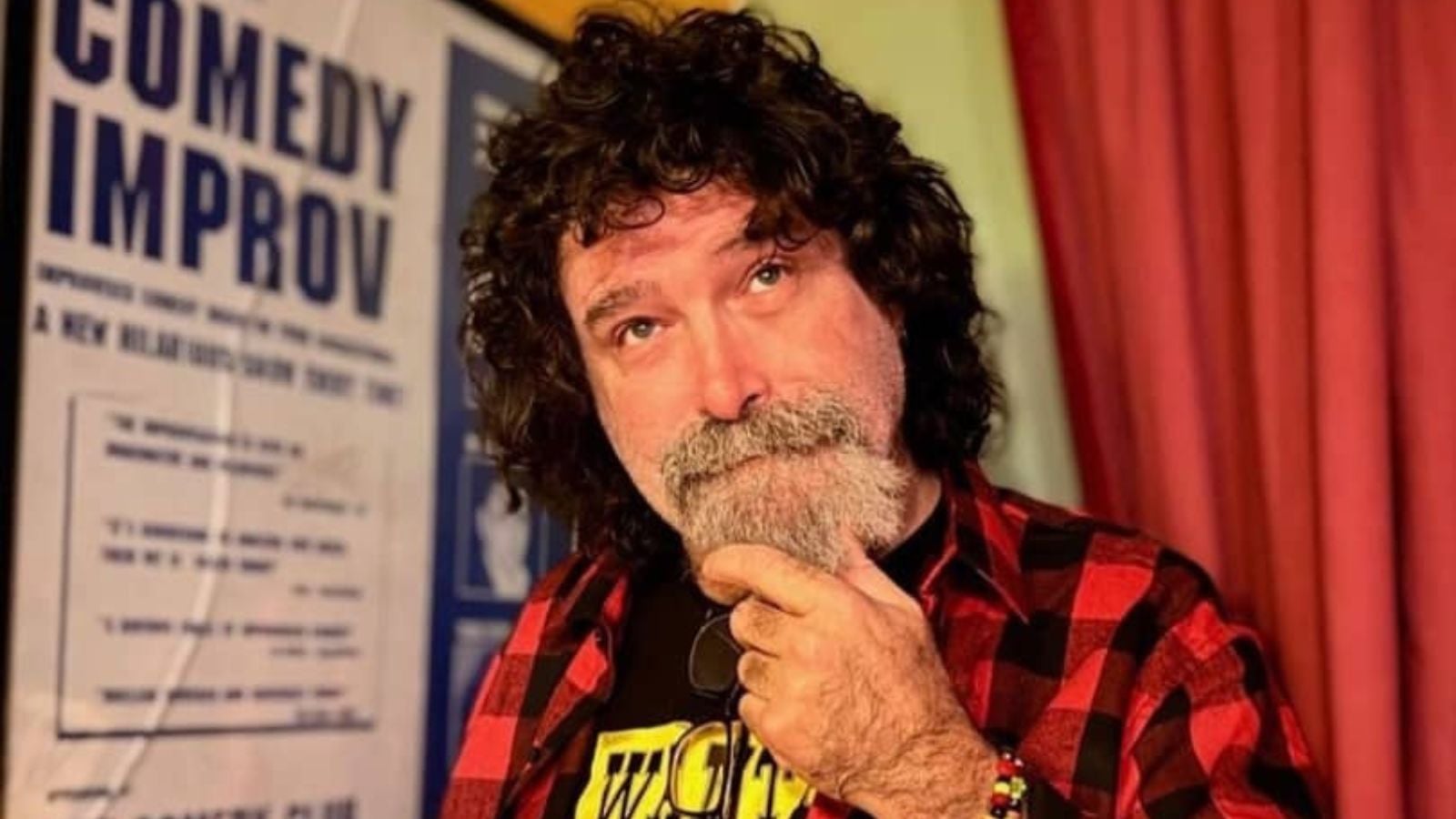
Mick Foley’s decision to cut ties with WWE was not sudden. It was not emotional whiplash. It was a long internal argument that finally came to an end.
After decades tied to the company that helped define his career, the WWE Hall of Famer announced he would stop all appearances immediately and allow his Legends contract to expire in June. No renewals.
No quiet continuation. No middle ground. The reason was clear. WWE’s continued closeness to Donald Trump crossed a line Foley could no longer live with.
The Breaking Point Was About Empathy
Foley did not point to legislation or party ideology. He pointed to a moment of human loss. President Trump’s public reaction to the murder of Rob Reiner and his wife Michele became the final trigger. The response framed the tragedy through political language, tying it to “Trump Derangement Syndrome” instead of offering basic compassion.
For Foley, that response mattered more than strategy or branding. It represented a failure of decency. He stated openly that he could no longer represent a company aligned with someone who would turn a family’s death into a political message. That moment stripped away any remaining space for separation between entertainment and values.
WWE’s Ties Were No Longer Abstract
Foley had been uneasy for months. Linda McMahon now serves as U.S. Secretary of Education. WWE leadership maintains visible access to the White House. Triple H has appeared publicly alongside administration initiatives. Those links were no longer symbolic. They were active. They were public. At that point, Foley felt continued participation looked like quiet approval. Silence stopped feeling neutral.
Walking Away Meant Real Consequences
This was not a symbolic protest. By declining to renew his Legends deal, Foley forfeits merchandise royalties, likeness rights for future WWE games, and the ongoing brand revenue that many retired wrestlers rely on. These contracts often function as a long-term financial stability. Foley chose to step away anyway. That choice reframed the story. This was not a tweet followed by business as usual. This was a clean break.
A Different Definition of Toughness
Fans remember Foley for pain tolerance. Hell in a Cell. Career-altering injuries. A willingness to absorb damage for the crowd. This moment highlights another side of toughness. Saying no to guaranteed income. Accepting backlash from fans who want wrestling to be apolitical. Letting go of institutional legacy.
Many supporters see the decision as consistent with Foley’s public life. He has always spoken openly about ethics, responsibility, and compassion. This move aligns with that pattern rather than contradicting it.
Wrestling, Identity, and the Cost of Staying Quiet
The larger issue goes beyond Foley. Wrestling brands often claim neutrality. That stance becomes harder to maintain once leadership engages publicly with power. Foley’s decision suggests neutrality has a cost. Staying silent can still communicate something. He chose clarity over comfort. Not to convince others. To live with himself.
An Ending Chosen, Not Forced
This exit closes a significant chapter. Foley helped define an era that reshaped professional wrestling. His departure does not erase that history. It reframes it. He walked away on his own terms. No firing. No scandal. No backtracking. Just a line drawn, and a decision honored.