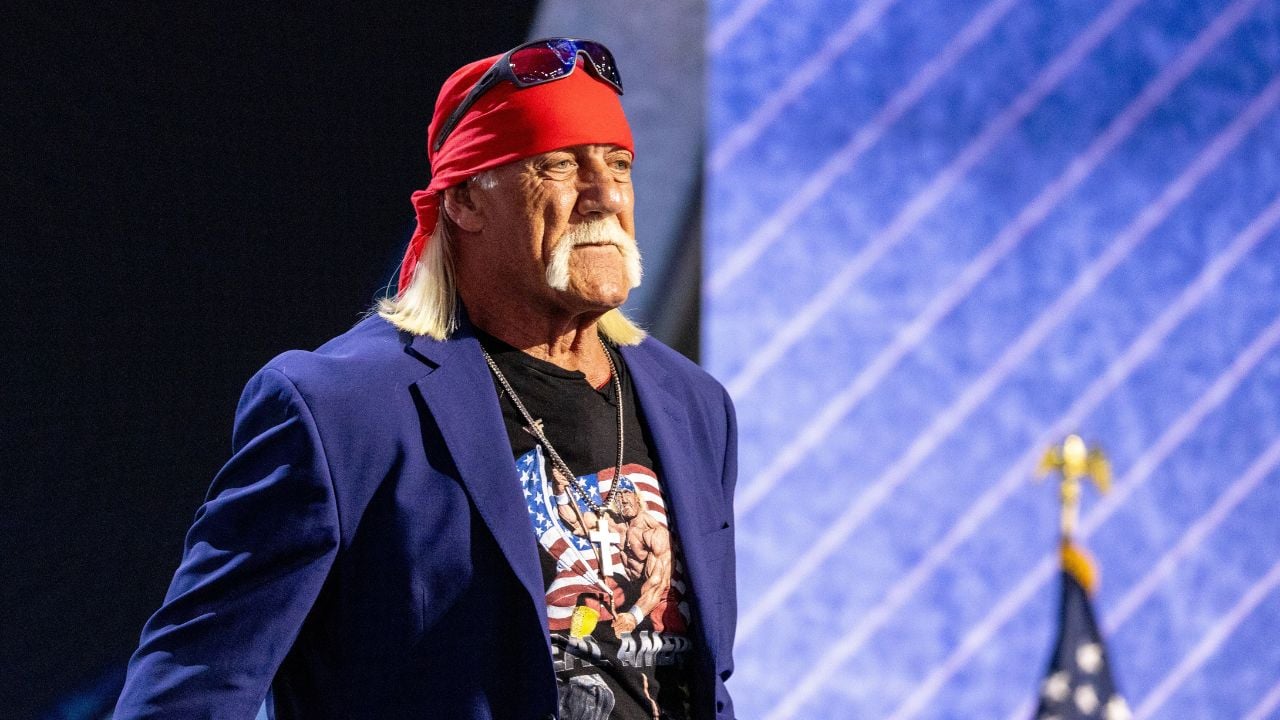
The investigation into Hulk Hogan’s death has officially been closed, nearly one year after the wrestling icon died in Florida at age 71.
People reported that the Clearwater Police Department classified the death of Hogan, whose real name was Terry Gene Bollea, as an attended natural death. Police also said investigators found no evidence of criminal wrongdoing.
Hogan died on July 24, 2025, after first responders were called to his Clearwater home for a medical emergency. He was transported to Morton Plant Hospital, where he was pronounced dead later that morning.
The update closes the law-enforcement side of a case that drew attention because of Hogan’s fame, the release of police materials, and earlier questions surrounding the circumstances of his final hours.
Police Say the Case Is Closed and Non-Criminal
According to People, Clearwater police released a 72-page report, bodycam footage, and transcripts connected to the response at Hogan’s home. The department said the case is now considered solved and non-criminal.
Tampa Bay 28 reported that police reviewed statements, medical records, surveillance footage, and witness information before closing the case. The local station also reported that Clearwater police found no evidence indicating criminal wrongdoing related to Hogan’s death.
The police review followed a call for a serious medical emergency at Hogan’s home. People reported that an officer responded around 10:21 a.m., CPR was performed, and Hogan was later pronounced dead at 11:17 a.m. local time.
The Autopsy Pointed to Natural Causes

Police cited autopsy findings that classified Hogan’s death as natural. People reported that the department said the death was tied to natural disease, with no reasonable traumatic or toxicological contribution.
The report also referenced Hogan’s physical condition after surgery and his long history of injuries from professional wrestling. People reported that an occupational therapist at the scene told police Hogan’s health had been poor after surgery and that he had undergone roughly 20 to 30 knee, hip, and back surgeries over the years.
Those details place the police conclusion in a medical context rather than a criminal one. The department’s final finding does not answer every private family question about medical care, but it closes the investigation into whether a crime occurred.
Family Members Cooperated With Investigators
Clearwater police said investigators reviewed witness statements and information from people connected to Hogan’s final hours. The department also released transcripts and bodycam material tied to the emergency response.
Hogan’s wife, Sky Daily, was home when first responders arrived, according to People’s summary of transcripts included in the official report. Police also interviewed witnesses and reviewed recordings as part of the investigation.
The inquiry had remained active for months because of questions surrounding Hogan’s death and medical condition. The final police conclusion draws a clear distinction between those questions and any finding of criminal conduct.
Hogan’s Death Ended One of Wrestling’s Most Recognizable Careers
Hogan became one of the defining figures of 1980s professional wrestling and helped turn WWE into a global entertainment brand. His public image extended beyond the ring through television, endorsements, reality programming, and decades of pop-culture visibility.
WWE’s Hall of Fame profile recognizes Hogan as one of the company’s most famous stars. People noted that he made his televised debut in 1979 and later became a two-time WWE Hall of Fame inductee.
His later years were also marked by public controversy, health problems, and a complicated personal legacy. The police department’s final report addresses a narrower question: investigators classified Terry Bollea’s death as natural, solved, and non-criminal.