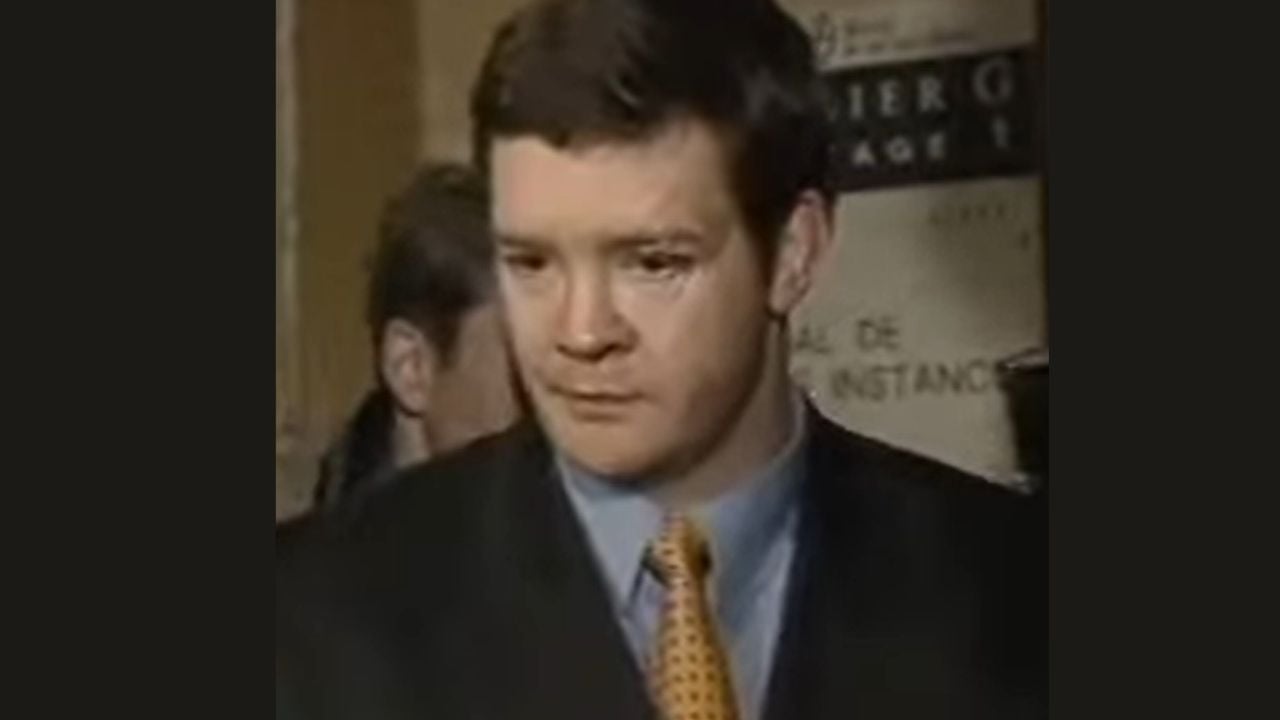
Twenty-nine years after the Paris crash that killed Princess Diana, Dodi Fayed and driver Henri Paul, Trevor Rees-Jones remains the only person who was inside their Mercedes and survived.
Rees-Jones left the Ritz Paris in the front passenger seat shortly after midnight on Aug. 31, 1997. The Mercedes crashed into a pillar in the Pont de l’Alma underpass. Paul and Fayed died at the scene, while Diana was taken to Pitié-Salpêtrière Hospital, where she died several hours later.
Rees-Jones was not Diana’s personal bodyguard. The former British Army paratrooper worked for the Fayed family and had been assigned to protect Dodi, which also placed Diana within his security responsibilities while the couple traveled together, as PEOPLE reported on the crash’s 29th anniversary.
He survived with severe head, chest and facial injuries. For the investigations that followed, however, one consequence proved especially significant, Rees-Jones could remember leaving the Ritz, but almost nothing reliable about what happened afterward.
Operation Paget Found No Evidence He Remembered More Than He Said
French investigators questioned Rees-Jones within weeks of the crash, hoping the sole surviving occupant could explain the Mercedes’ final journey. His head injury had left major gaps in his memory, and those early interviews produced little that investigators considered useful.
At different points during his recovery, Rees-Jones described brief flashes or “windows” of memory. In 1998, for example, he spoke publicly about fragments that seemed to involve a woman’s voice after the impact. Medical experts cautioned that there was no reliable way to determine whether such flashes were genuine recollections or reconstructions shaped by things he had subsequently heard, read or dreamed.
That uncertainty was addressed directly years later by Operation Paget, the Metropolitan Police investigation into allegations surrounding Diana and Fayed’s deaths. Psychiatrist Dr. Maurice Lipsedge told investigators that Rees-Jones remembered entering the Mercedes and the car pulling away, but “he remembers nothing after that.”
Operation Paget said his “very limited recall” had not materially changed since 1997 and found no evidence that Rees-Jones had ever possessed or concealed a fuller account of the journey and crash.
His Face Required Extensive Reconstructive Surgery
Rees-Jones’ injuries were serious enough that French surgeons carried out a roughly 10-hour operation to reconstruct much of his face. Contemporary reports described multiple facial fractures along with head and chest injuries, and he remained hospitalized in Paris for more than a month before returning to Britain in October 1997.
One of the earliest explanations for his survival later proved unreliable. Reports immediately after the crash said Rees-Jones had been the only occupant wearing a seat belt. Operation Paget’s subsequent technical examination reached the opposite conclusion, none of the four occupants was wearing a belt at impact, including Rees-Jones.
The 2008 British inquest also identified the failure of Diana and Fayed to wear seat belts as contributing to their deaths. The jury returned verdicts of unlawful killing, finding that the crash was caused or contributed to by the grossly negligent driving of Paul and the following vehicles, with Paul’s impairment through alcohol among the factors it considered.
Rees-Jones Later Said, ‘I Am More Than a Car Accident’
Rees-Jones resigned from Mohamed Al-Fayed’s organization in 1998 and eventually put his own account into a book, The Bodyguard’s Story: Diana, the Crash, and the Sole Survivor, published in 2000 with Moira Johnston.
Speaking to The Guardian that year, he pushed back against the idea that the event should define the rest of his life. “I am more than a car accident,” he said. The interview also showed how difficult separating himself from it had been, strangers recognized him, conspiracy claims followed him and he acknowledged struggling at times with the fact that three people had died while he survived.
He returned to security work after recovering. Operation Paget confirmed that he worked for the United Nations in East Timor, and later reporting has connected him to security roles with Halliburton and AstraZeneca. Rees-Jones has rarely spoken publicly about the crash in the decades since. PEOPLE reports that he now lives privately in England with his wife and children.