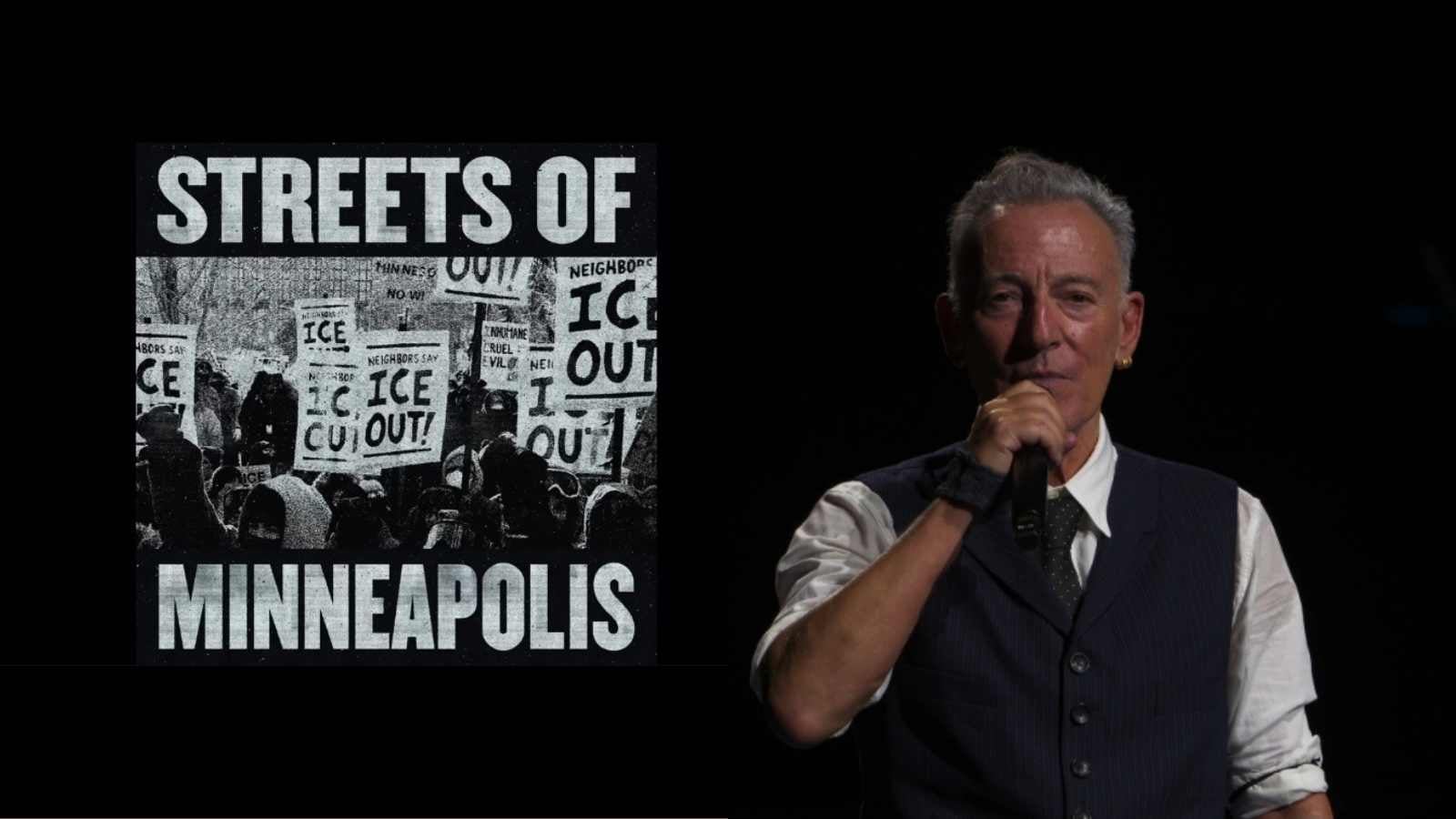
Bruce Springsteen has always been known as much for his voice as his convictions. In a move that has reverberated far beyond the music world, The Boss’s new track “Streets of Minneapolis” debuted at No. 1 on the Billboard Digital Song Sales chart despite being available for only two days during its first tracking week. This is a remarkable feat for a protest song released mid‑week with almost no traditional marketing push.
Released on January 28, 2026, Streets of Minneapolis isn’t your typical Springsteen single. It’s a protest song, written and recorded in just a few days, in response to a deeply controversial and violent streak of events in Minneapolis, Minnesota. Springsteen’s willingness to release such a song, directly confronting federal agencies, American political leadership, and real‑world tragedy, immediately placed the track in the center of a broader national conversation about music, politics, and justice.
A Song Born From Tragedy
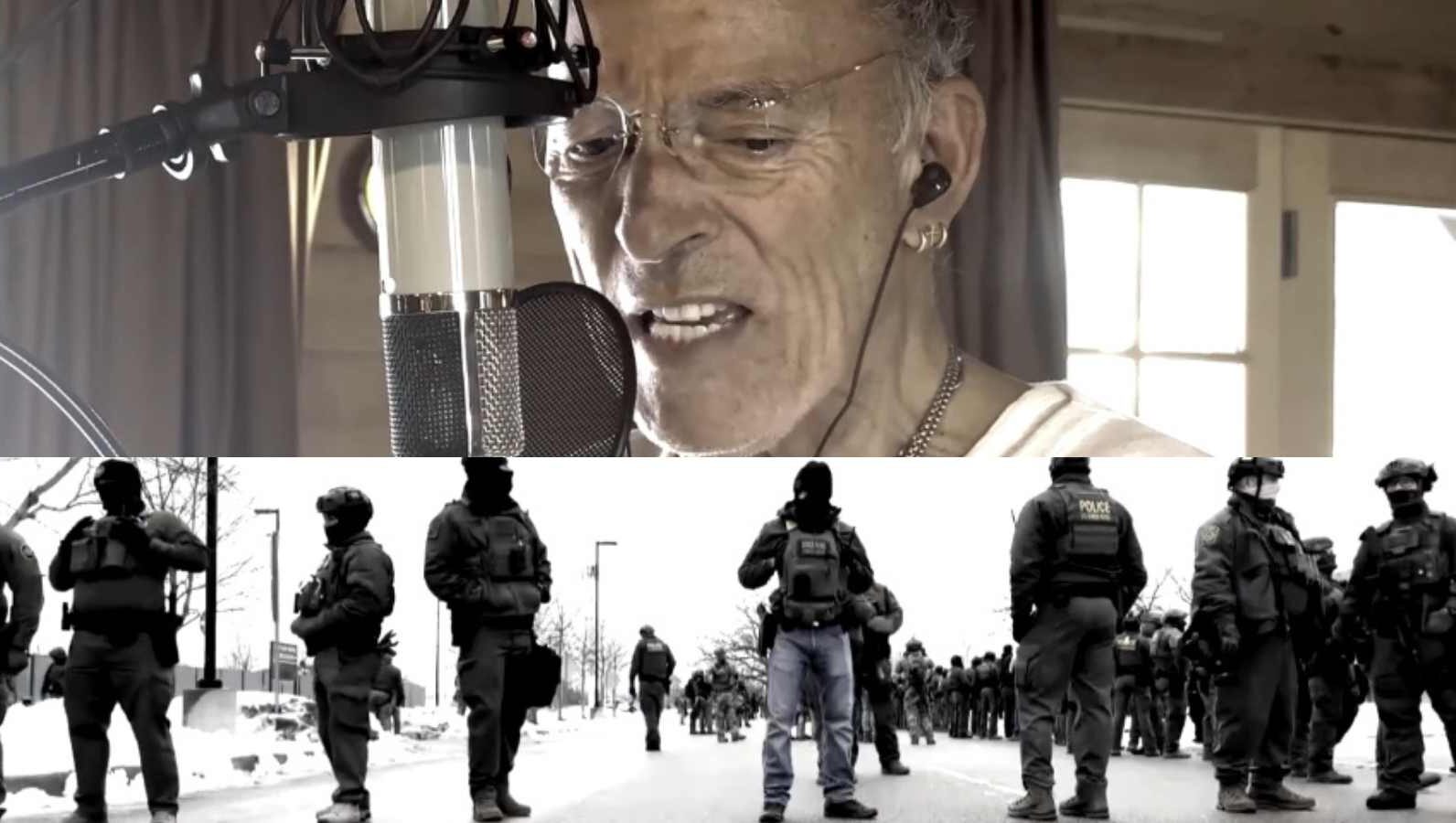
Springsteen wrote “Streets of Minneapolis” in response to the fatal shootings of Renée Good and Alex Pretti. These two Minneapolis residents were reportedly killed by agents from U.S. Immigration and Customs Enforcement (ICE) in January during a surge of federal enforcement actions in the city. The song was composed on January 24, recorded on January 27, and released the following day.
That rapid turnaround was not accidental. Springsteen has long used his music to grapple with social and political issues. For instance, with American Skin (41 Shots), which protested police violence in the early 2000s, and other songs highlighting economic inequality and the struggles of working Americans. With Streets of Minneapolis, he turned his focus to what he, protestors, and many activists are describing as state terror, a phrase the singer used in posts and interviews to characterize ICE’s expanded presence and the forceful tactics employed during raids.
The song’s lyrics name the victims and reference the snowy streets where they died, capturing haunting imagery of violence and protest. It also directly criticizes federal immigration agencies and those perceived as political architects of these policies, calling them “King Trump’s private army from the DHS” in stark, unfiltered lines.
Charting at No. 1
Despite its political content and rapid release schedule, Streets of Minneapolis shot to the top of the Billboard Digital Song Sales chart, selling around 16,000 downloads in its first partial week and becoming Springsteen’s first No. 1 on that chart in his long career. That alone is striking; chart‑topping protest songs are rare today, with the streaming‑dominated music business, especially when they bypass the usual lead‑up that pop hits receive.
The track also made early appearances on other charts, including entering the Hot Rock & Alternative Songs list due to strong streaming and airplay numbers, showing that listeners across genres are engaging with it.
This kind of explosive debut without a full week of tracking or standard promotional rollout speaks not just to Springsteen’s legacy power, but to the charged political moment the song speaks to. It’s a reminder that music still has cultural clout when it taps into collective sentiment, outrage, or grief, especially when fronted by an artist with deep roots in protest songwriting.
Live Debut and Community Context
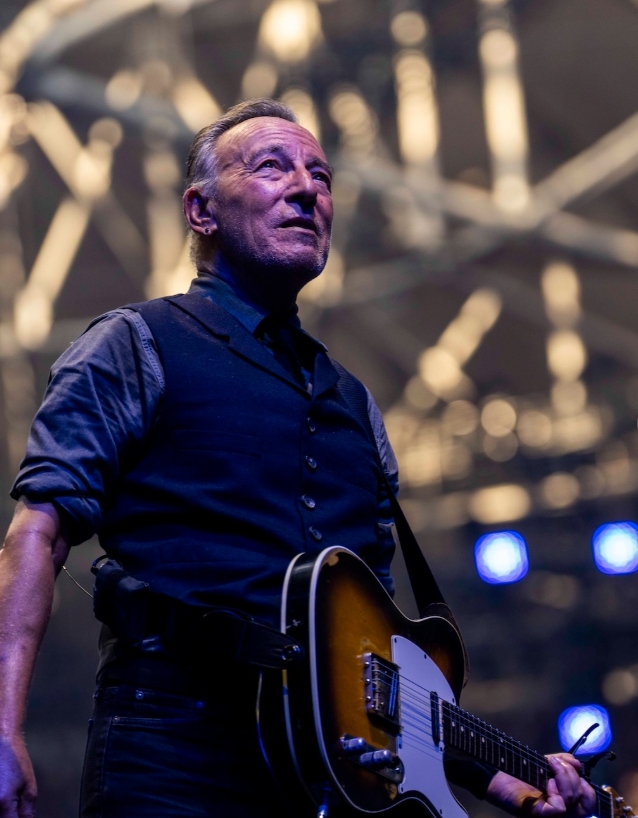
Springsteen didn’t just drop the song online and walk away. On January 30, at a benefit concert in Minneapolis organized by Tom Morello, he performed Streets of Minneapolis live for the first time. That performance was unannounced on the bill, catching fans and the public by surprise. Standing alongside Morello and other musicians, Springsteen helped center the track within a larger artistic response to the Minneapolis crisis that has drawn activists, concerts, and community actions across the country.
Before the song’s official release, Springsteen had already publicly spoken about the violence in Minneapolis. At a January concert in New Jersey, he dedicated a performance of The Promised Land to Renée Good and called for ICE to leave Minneapolis, positioning himself firmly in solidarity with local protestors.
This aligns with a tradition, stretching back through decades of American folk and rock, where artists use their platform to narrate and protest national strife, including civil rights, war, or economic hardship. With Streets of Minneapolis, Springsteen stitches that tradition into one of 2026’s most debated stories.
Music as Political Statement
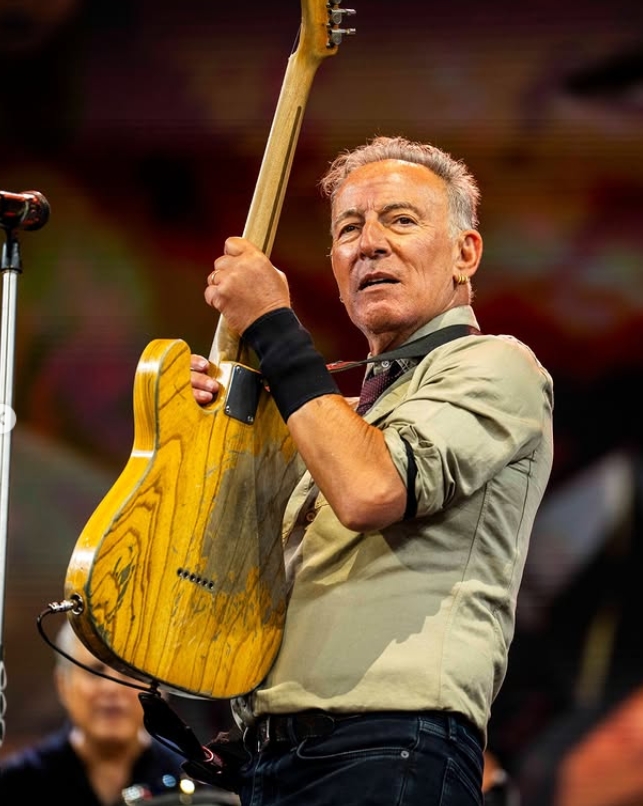
“Streets of Minneapolis” isn’t just a protest song; it’s a political statement from an elder statesman of rock. Springsteen refers to the protesters’ chants of “ICE out.” It situates the track clearly within the context of immigration policy debates and community resistance.
Many artists often shy away from overt political messaging to protect commercial interests, so Springsteen’s decision highlights a deliberate choice to engage, challenge, and critique. It’s not subtle. It’s not coded. It’s direct, emotional, and at times confrontational, and by debuting at No. 1, it shows that controversy can still be commercially powerful when listeners connect with the message or the moment.
The song’s content has drawn pushback from political figures aligned with the Trump administration, which has criticized the lyrics and dismissed the song as “irrelevant,” arguing that it misrepresents recent events and federal actions. Official responses from the White House have defended the actions of ICE and DHS, framing them as lawful enforcement rather than state terror, a direct contradiction to the narrative Springsteen presents in his song.
That clash highlights a broader cultural divide in the U.S. today: one side views Springsteen’s work as a necessary artistic voice for justice, the other views it as partisan commentary unbecoming of mainstream art. The reaction underscores how deeply music and politics remain intertwined, and how a protest song can become a flashpoint in its own right.
Legacy and the Role of Protest Music
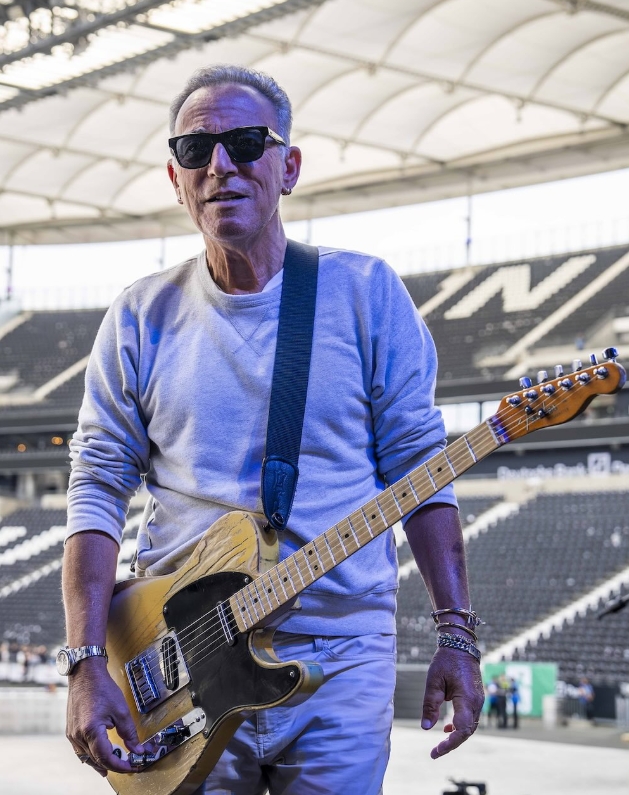
Springsteen’s history with socially conscious songs gives context to Streets of Minneapolis. Earlier works like American Skin, addressing police violence and songs about economic hardship and working‑class struggle, show he has repeatedly used his music to reflect on American society. Streets of Minneapolis builds on that legacy, tying present events to broader themes of justice, inequality, and resistance.
Releasing a song like this in 2026, one that was written, recorded, and shared in days, speaks to both the urgency artists feel and the enduring power of music to shape conversations about identity, justice, and political action. The fact that it topped charts worldwide shows that audiences are still listening when music takes a stand, even in an era dominated by social media soundbites and algorithm‑curated playlists.
In a time of social tension and political upheaval, “Streets of Minneapolis” stands as more than a song; it’s a statement, a rallying cry, and now a chart‑topping soundtrack to the moment. And that, for Bruce Springsteen, might be as meaningful as any award or accolade.