
The red carpet used to be a place of pure fantasy, but lately, it feels like a source of collective anxiety. As the Wicked press tour dominates every screen we own, the conversation has shifted away from the music and toward the increasingly fragile frames of the stars leading the show. We spent years fighting to believe that our value was not tied to our dress size, only to watch the most powerful women in Hollywood disappear before our eyes. This regression is not just an aesthetic choice; it is a dangerous cultural pivot that prioritizes profit over the well-being of an entire generation.
The Pharmaceutical Shortcut Is Erasing Our Hard-Won Progress
It is impossible to ignore the elephant in the room, which is ironically the only thing getting smaller in Hollywood right now. The rise of semaglutide drugs like Ozempic and Wegovy has completely altered the physical landscape of celebrity culture in record time.
What started as a medical breakthrough for people with type 2 diabetes has morphed into the ultimate status symbol for the elite. The speed of these transformations is what makes them so unsettling to the average viewer, sparking a wave of concern that often outweighs the excitement of the film being promoted.
Experts like plastic surgeon Dr. Dennis Schimpf have noted that these rapid changes often leave stars looking gaunt rather than healthy. The loss of natural subcutaneous fat, which usually keeps a face looking youthful, can cause the physical frame to look collapsed.
This results in prominent ribcages and collarbones becoming the unintentional focal points of high-fashion photography. When we see the main cast of a blockbuster like Wicked front and center, they are unknowingly becoming the faces of a new movement that prizes pharmaceutical shrinking over actual wellness.
The public is not blind to this shift. Fans on social media have moved from being impressed by the glamour to being genuinely worried about the health of their favorite idols. Is it really worth trading muscle mass and long-term immunity just to fit into a sample size dress for a single night?
The experts suggest the answer is a resounding no, yet the ‘promotion machine’ keeps churning out these images as the new aspirational standard. This is the byproduct of a system that sees our self-loathing as a profit center, thriving only when we feel inadequate.
Ariana Grande’s Red Carpet Look
The current promotion for the Wicked movie has placed Ariana Grande at the center of a global media blitz that feels like a trip back in time. While her voice remains breathtaking, the conversation surrounding her physical presence has become impossible to ignore.
We are seeing a level of thinness that feels like a direct throwback to the most toxic eras of the past, specifically the years of low fat everything and Slim Fast shakes. When the media positions these ultra thin figures as the pinnacle of beauty, it creates a massive pressure cooker for everyone else.

This is happening exactly as weight loss drugs have become common household names used by people who do not even have a medical need for them. For those who grew up in the eighties and nineties, this must feel like a very bad case of déjà vu.
Many women spent decades trying to escape the secret life of binging and purging that these standards created. To see those same “heroin chic” aesthetics return under the guise of modern medicine is nothing short of triggering. It is like being told that the years spent unlearning those toxic messages were a waste of time.
Cynthia Erivo’s Weight Loss
Cynthia Erivo is an undeniable powerhouse, but on this recent press tour, her body is being showcased in a way that many experts find concerning. The beauty industry and the weight loss market are worth hundreds of billions of dollars for a reason. They do not make money when we are happy with ourselves. They profit when we believe that we are one pill or one injection away from being good enough.
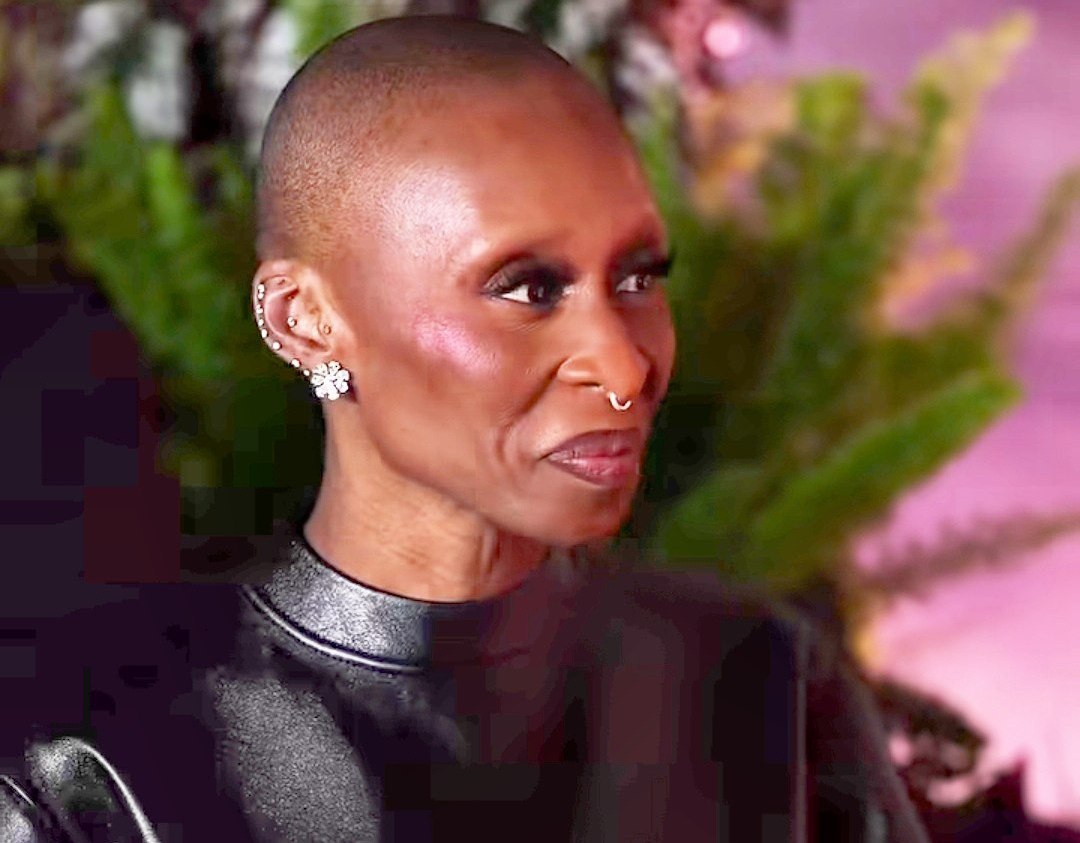
Every time a star appears on a red carpet looking smaller and smaller, it reinforces the idea that we should all be striving for an impossible standard. We are essentially paying for the privilege of hating our own reflections while the industry watches its profits soar. This is not just happening on the red carpet; it is trickling down to TikTok and into the text threads of middle schoolers.
These young viewers do not have the context to know that these bodies are often the result of expensive medical intervention. They only see the end result and wonder why they cannot achieve the same thing through willpower alone.
Nicole Kidman At The Golden Globes
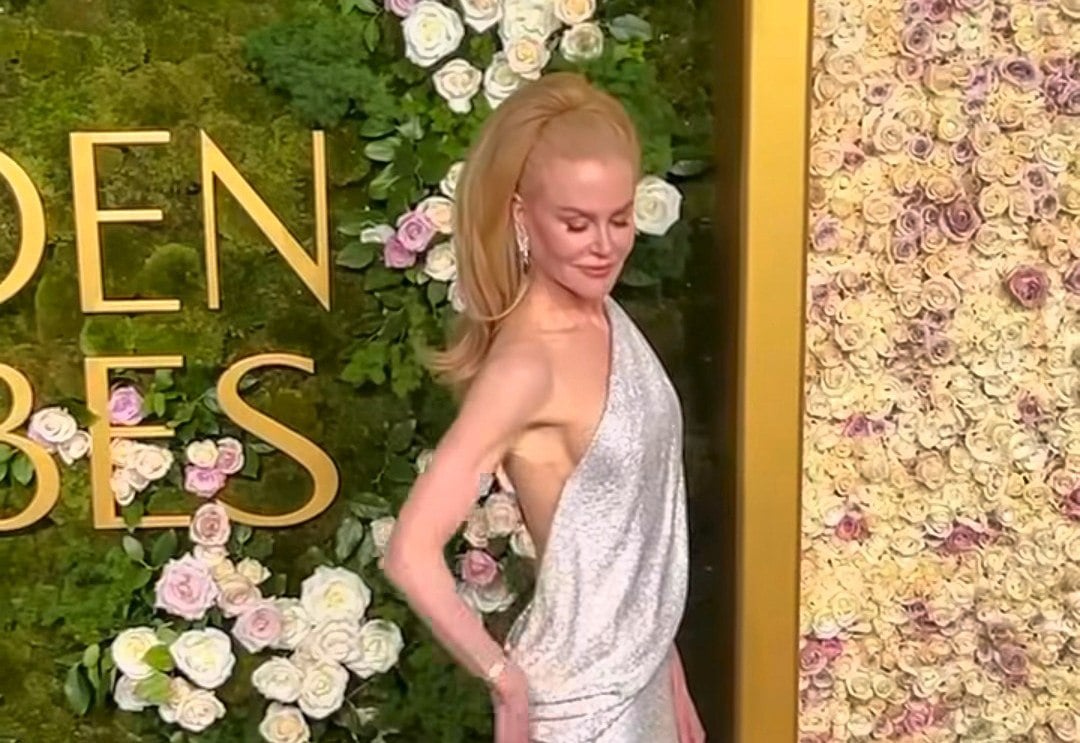
The recent appearance of Nicole Kidman at the Golden Globes served as a stark reminder of how quickly Hollywood has shifted its standards. Her much leaner figure sparked immediate speculation about the use of medications that have become the ultimate accessory for the rich and famous.
This creates a dangerous new elitism where the perfect body is something you can simply buy if you have the right connections and enough money. It ignores the physical toll that rapid weight loss takes on the human body, including the loss of bone density and metabolic health.
Demi Moore’s Extreme Weight Loss
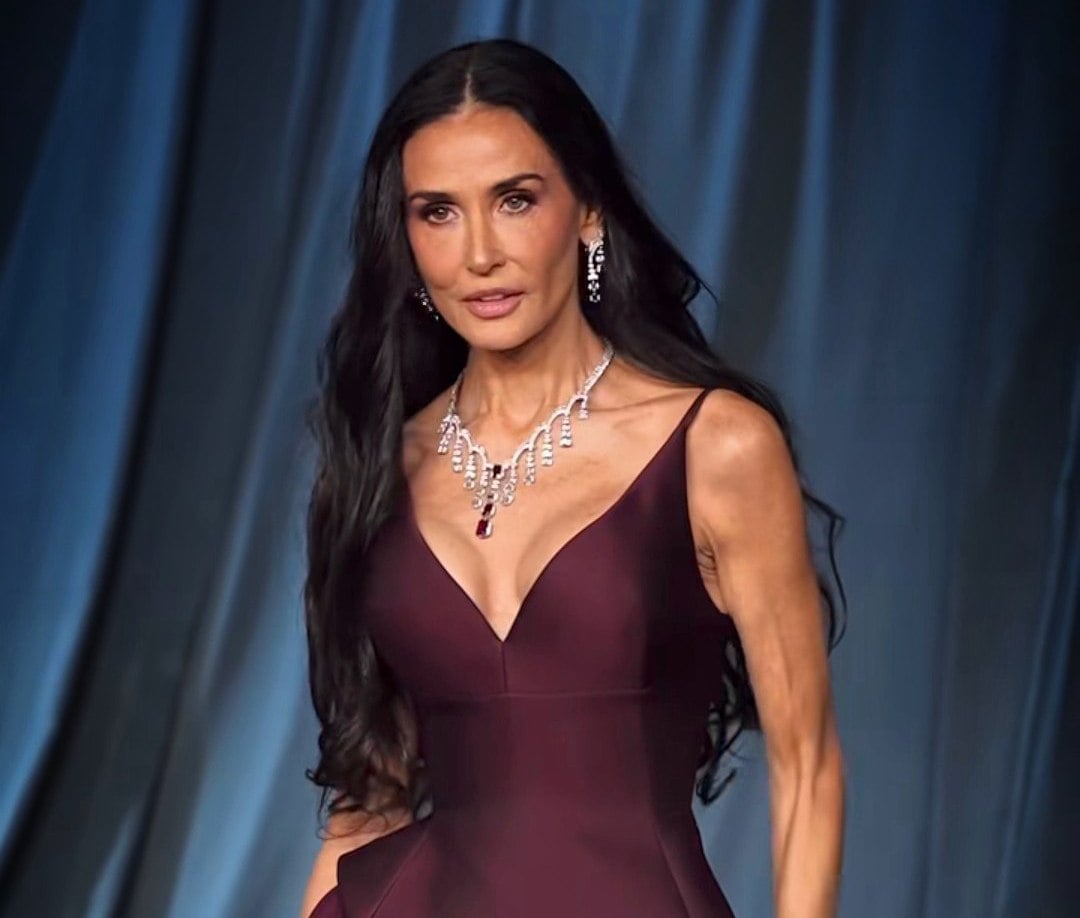
Demi Moore has also become a focal point of this conversation as she showcases a much more defined and sharper physical frame. Experts like Dr. Schimpf explain that the lack of fat and looser skin are likely the results of using these medications rather than traditional fitness. Instead of looking young and healthy, the extreme weight loss can actually make a person look older than their years. We are being coached to call this look “aspirational,” but it is actually a visible sign of a body that has been chemically pushed to its limits.
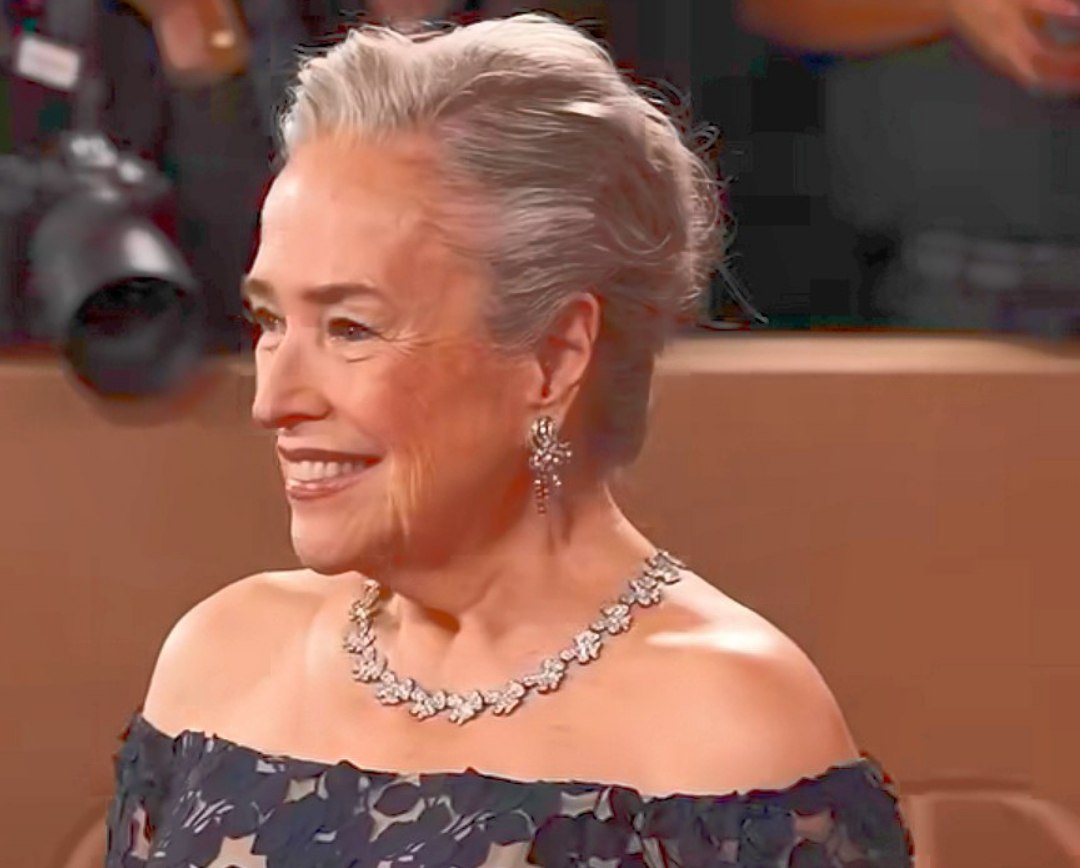
Kathy Bates’ Health Concerns
In a sea of vanity driven transformations, Kathy Bates stands out because she has been open about using these medications for their original purpose. Dealing with diabetes and chronic health challenges is a very different journey than using a drug to look better for a camera.
Her story highlights the tragedy of this trend: a life saving medication is being treated like a cosmetic cheat code. When we conflate actual medical necessity with red carpet aesthetics, we lose sight of what health actually looks like.
We have to be brave enough to protect the progress we have made in the movement for body diversity. If we do not challenge this return to extreme thinness, we are leaving the door open for another generation to fall into the same traps that nearly destroyed women in the past.
Our worth is inherent, and it cannot be measured by how much of ourselves we are willing to give up to fit into a sample size dress. The red carpet should be a celebration of talent, not a billboard for a billion dollar industry that relies on our insecurity to stay alive.