
Chuck Norris stands as one of the most influential figures in action movie history, carving a niche for himself with films that showcase his unparalleled martial arts prowess and unwavering stoicism. While critics might not have always appreciated his acting, audiences adored the no-nonsense, hard-hitting action that Norris delivered time and time again.
In celebration of his enduring legacy, we’ve compiled a list of the five best Chuck Norris films that highlight his unique style and ability to command the screen.
Code of Silence (1985)
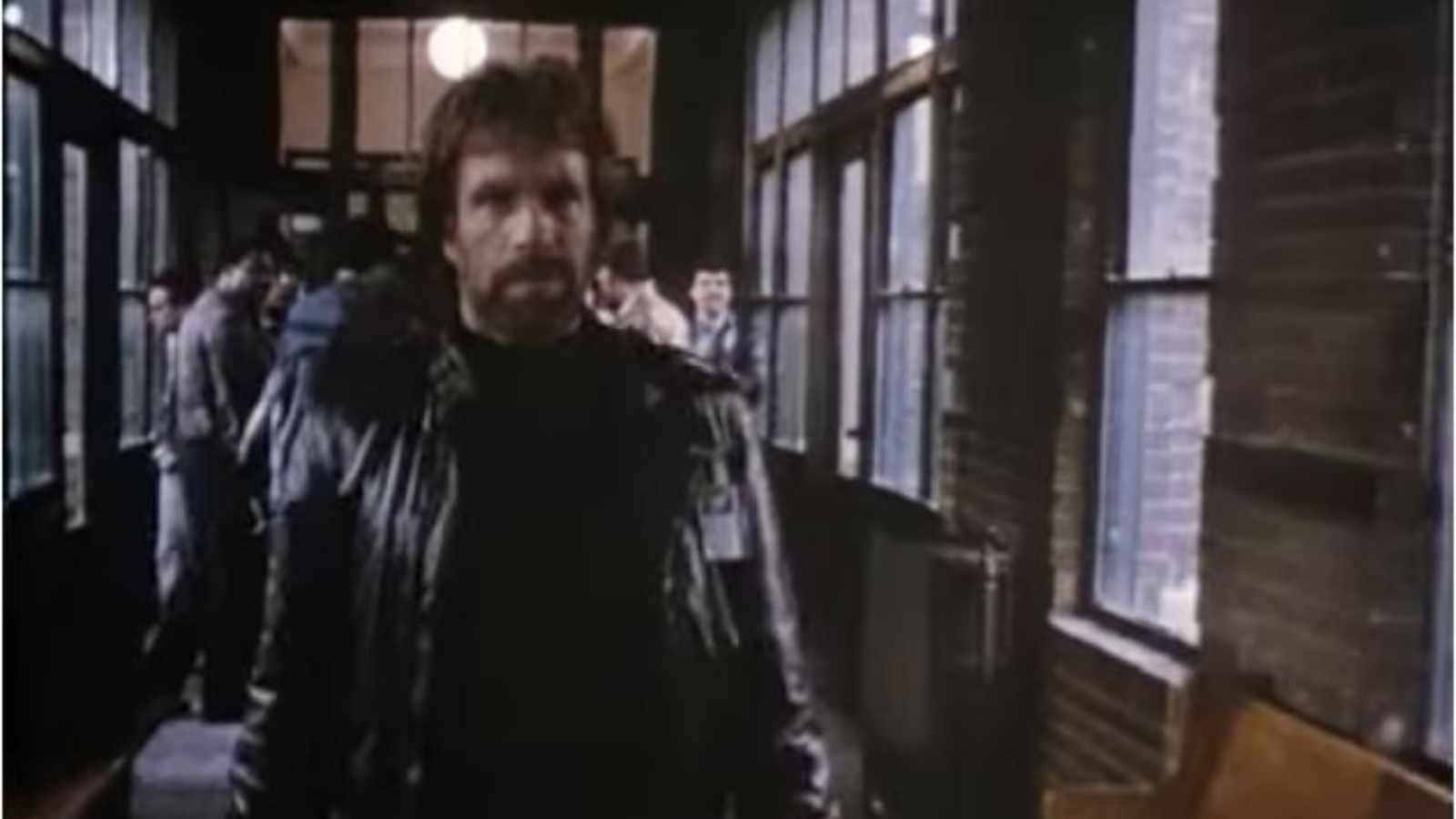
In a career predominantly filled with high-octane action films, Code of Silence stands out as Chuck Norris’s most critically acclaimed film. Directed by Andrew Davis, this film marks a departure from typical action-movie fare, allowing Norris to showcase his acting skills beyond punching and kicking. As Eddie Cusack, a tough Chicago cop, Norris plays a character burdened by personal and professional struggles, caught between two warring gangs and dealing with corruption within his own department.
The film’s raw intensity, paired with Norris’s nuanced performance, earned it a favorable reception from critics, including a rare fresh rating on Rotten Tomatoes. Unlike many of his other films, Code of Silence offers a glimpse into Norris’s range as an actor, presenting him not as a one-dimensional hero but as a man grappling with deep moral complexities. For those who thought Norris was just a martial artist, this film proved that he could also bring depth and vulnerability to his roles, making it one of his finest works.
Lone Wolf McQuade (1983)
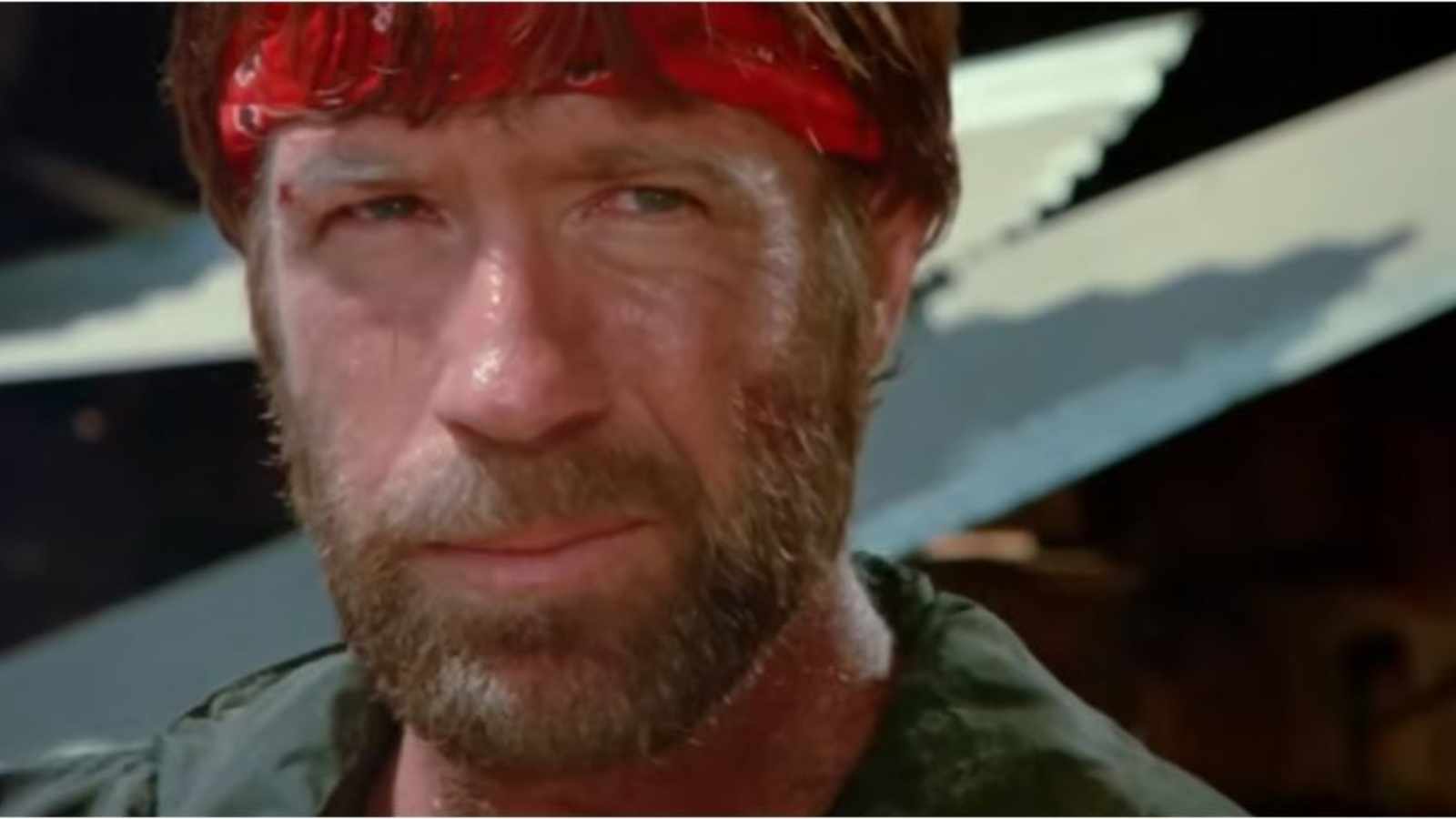
by Amazon MGM Studios via YouTube.Used under fair use for commentary.
While Lone Wolf McQuade is undoubtedly an action-packed film, it also has a deeper, quieter side that many fans might overlook. In this 1983 film, Chuck Norris portrays Jim “J.J.” McQuade, a maverick Texas Ranger known for working alone and answering to no one. This movie blends traditional Western tropes with modern action elements, positioning Norris as a stoic cowboy in the mold of classic Hollywood heroes. McQuade is a rugged, solitary figure who doesn’t flinch when facing down danger, making him one of Norris’s most iconic characters.
The film’s impact extends beyond just its action sequences. McQuade’s relationship with his wolf, a symbol of his solitary nature, enhances the story’s thematic richness. Lone Wolf McQuade was so beloved by Norris that he attempted to turn it into a TV series, but instead, it evolved into Walker, Texas Ranger, cementing Norris as the star of one of the most iconic action TV shows of all time.
The Delta Force (1986)
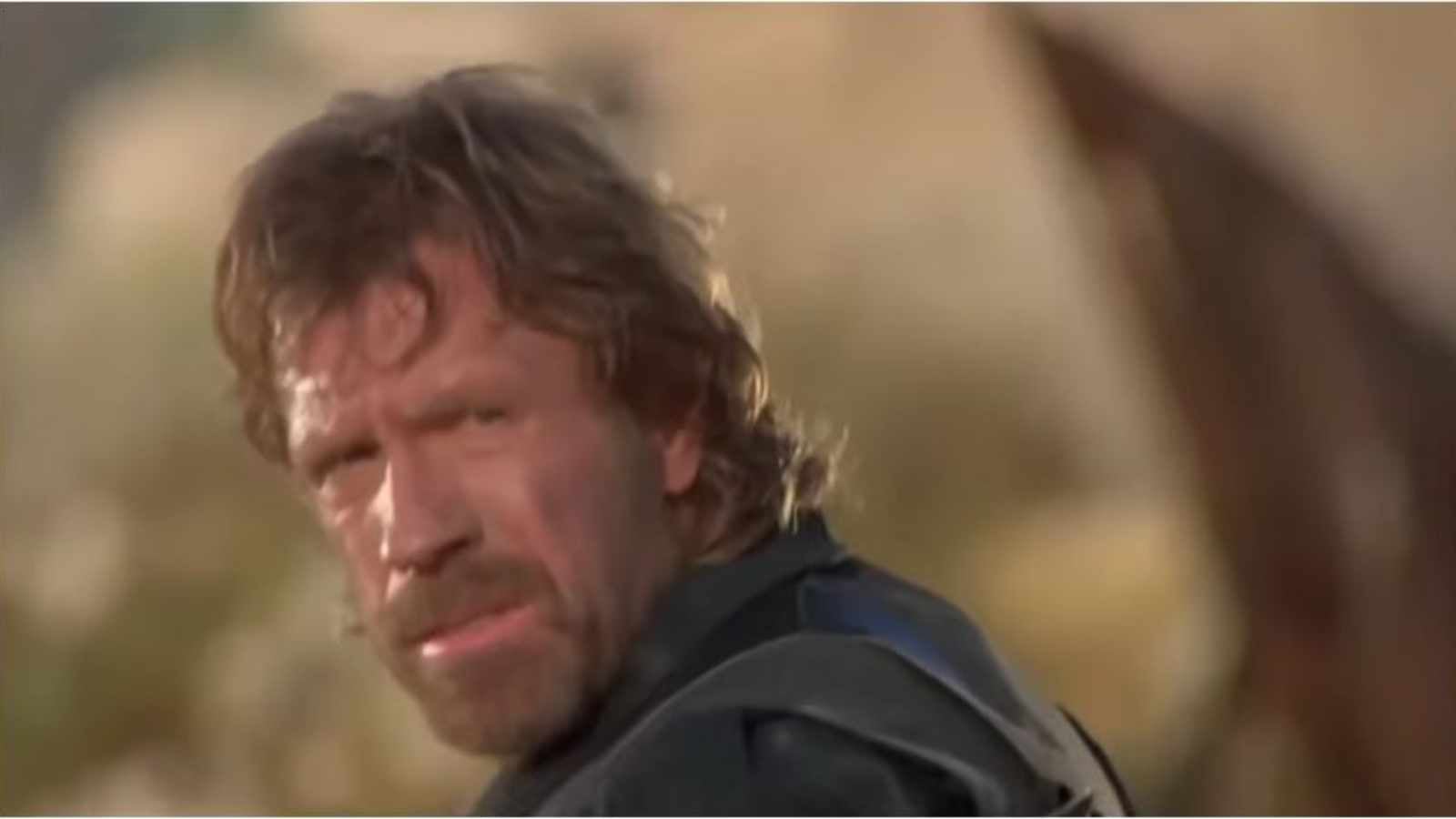
Based loosely on real-life events, The Delta Force is one of Chuck Norris’s defining films. In this 1986 action thriller, Norris stars as Major Scott McCoy, a member of the elite Delta Force tasked with rescuing hostages from a hijacked plane. The film’s success lies in its ability to blend high-stakes tension with thrilling action sequences, all while incorporating a strong sense of patriotism and heroism.
The movie’s portrayal of McCoy as a relentless, no-nonsense soldier became a hallmark of Norris’s on-screen persona. It also marked the beginning of a franchise that saw a slew of sequels, though none managed to capture the same magic as the original. The Delta Force remains a standout because of its compelling storyline and its ability to balance emotional stakes with over-the-top action sequences.
Missing in Action (1984)
Missing in Action was Chuck Norris’s breakthrough movie, a film that propelled him from an established martial artist to a full-fledged action star. In this 1984 film, Norris plays Colonel James Braddock, a Vietnam War veteran who embarks on a mission to rescue American POWs left behind in Vietnam. The film’s success was undeniable; it became Norris’s highest-grossing film at the time and solidified his status as a bankable action star.
The movie is a quintessential ‘80s action film, filled with intense combat scenes, explosive firefights, and, of course, Norris’s signature martial arts. While Missing in Action isn’t the most sophisticated film, its unapologetic embrace of the action genre made it a beloved classic among fans. It set the stage for a trilogy, though the sequels would never quite match the raw power of the original.
The Way of the Dragon (1972)
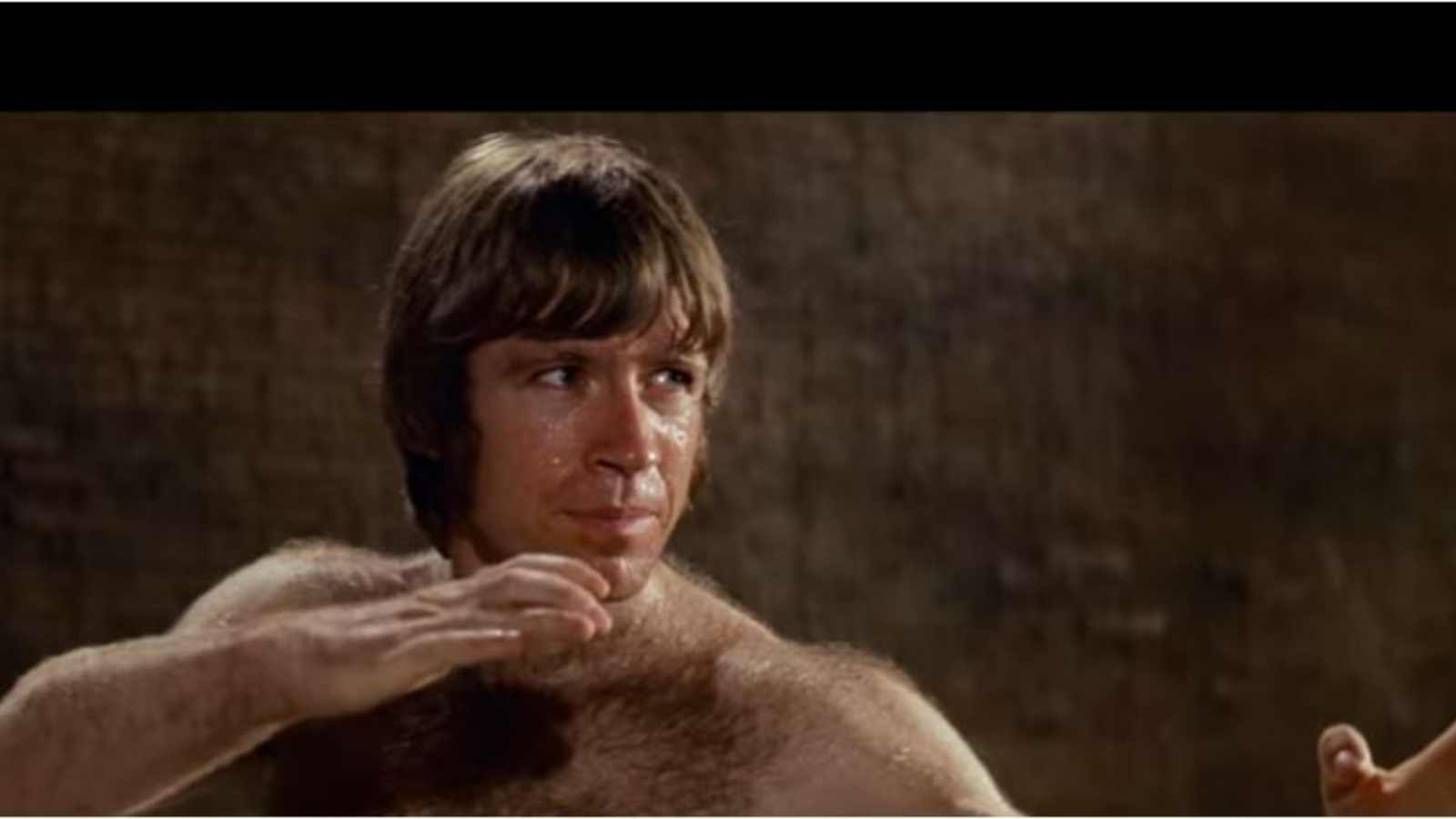
Although not a Chuck Norris-led film, The Way of the Dragon holds an iconic place in both Norris’s career and the martial arts genre as a whole. In this 1972 film, directed by Bruce Lee, Norris plays Colt, an American martial artist who faces off against Lee’s character in an epic final battle. This film is historically significant because it marks the only time that two martial arts legends, Lee and Norris, shared the screen in an unforgettable confrontation.
While Norris’s role may not have been the lead, his performance as the villainous Colt was memorable, and the final fight scene between him and Bruce Lee is considered one of the greatest martial arts battles ever put to film. Norris’s participation in this film solidified his place among martial arts icons, and it remains a pivotal moment in his career. The success of The Way of the Dragon helped establish Norris as a martial arts film star, paving the way for his solo career in action films.
Conclusion
Chuck Norris’s impact on action cinema is undeniable. From his intense fight sequences to his ability to embody the stoic, tough-guy persona, Norris defined a generation of action heroes. Though he may not have always received critical acclaim, his films resonated deeply with audiences, and his influence on the genre is still felt today. Whether he was rescuing hostages, battling criminals, or facing off against Bruce Lee, Norris’s films remain timeless examples of ‘80s and ‘90s action cinema at its finest.