
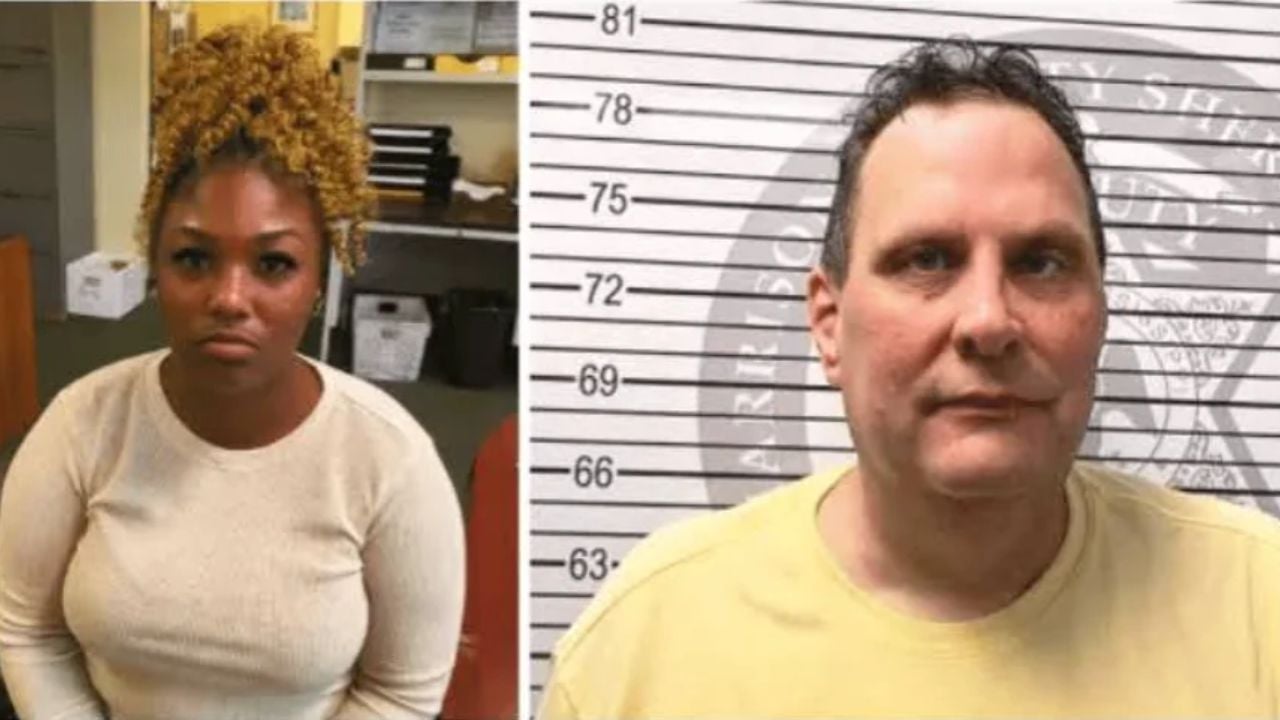
A Mississippi case manager has been sentenced for Medicaid fraud after prosecutors accused him of recording in-person visits that never happened. The indictment included claims that he documented in-person case-management services at a Medicaid beneficiary’s McDonald’s workplace.
On November 16, 2026, Harrison County Circuit Judge Larry Bourgeois sentenced Christopher Curtis Moore to 10 years, with seven suspended, three on house arrest and five years of supervised probation. The judge also ordered him to repay $12,497.92 to the Mississippi Division of Medicaid.
According to his indictment, Moore submitted the false service notes to his employer, South Mississippi Regional Center. The center then used those records to seek Medicaid payments.
Mississippi Attorney General Lynn Fitch announced Moore’s sentence on November 20. His indictment was among 11 Mississippi cases the office announced in June as part of the U.S. Department of Justice’s national health care fraud takedown.
Indictment Described Visits to McDonald’s, Care Centers and Homes
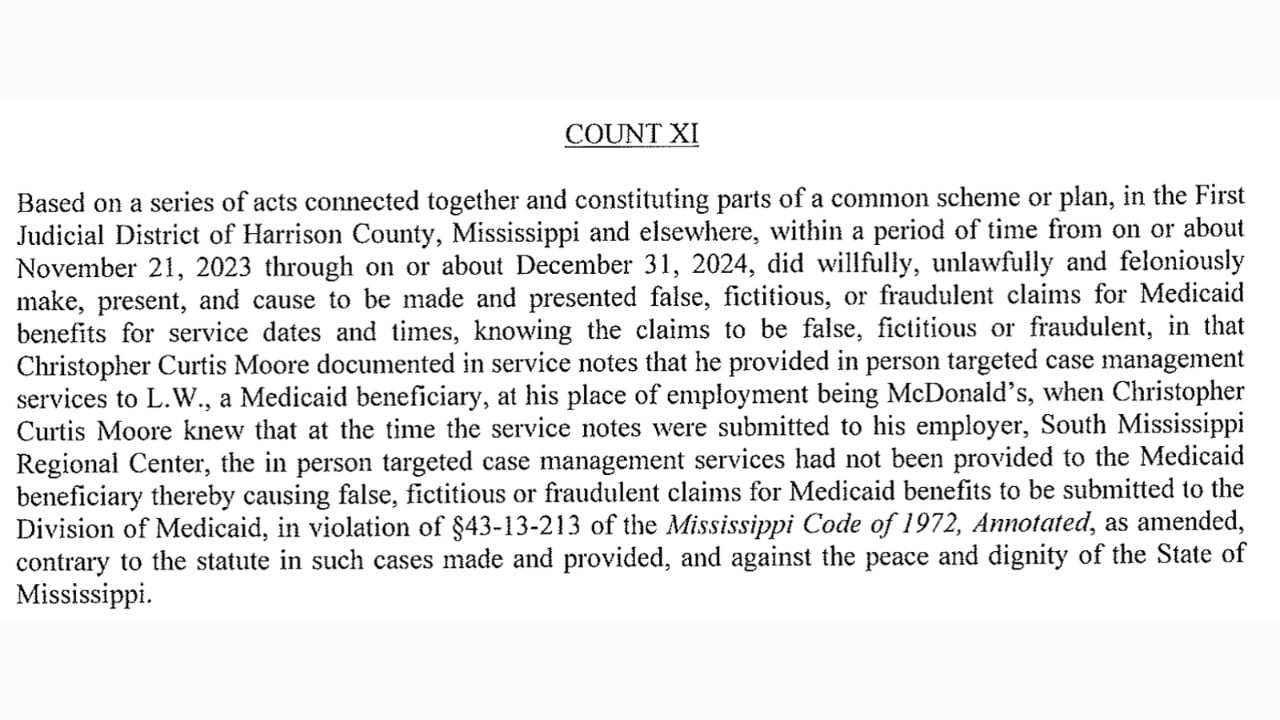
One count alleged that Moore recorded services for a beneficiary at his workplace, McDonald’s, between November 21, 2023, and December 31, 2024. Prosecutors said Moore knew those in-person services had not been provided when he submitted the notes.
Other counts described purported visits to Brandi’s Hope in Carriere, REM of Mississippi and Millcreek facilities. The indictment also listed services at beneficiaries’ homes in Biloxi, Picayune and Moss Point.
The broader alleged scheme ran from October 2023 through June 2025. The original indictment contained 10 Medicaid fraud counts and one wire fraud count; the sentencing announcement concerns two Medicaid fraud counts.
Keep Visit Records and Report Services That Never Happened
Medicaid beneficiaries and relatives who help manage their care can keep a dated record of visits, including who attended and what services were provided. If a service record or claim lists an appointment that did not happen, preserve it along with calendars, messages and other information showing the discrepancy.
The Mississippi attorney general’s Medicaid Fraud Control Unit handles suspected provider fraud and links to its complaint form. Include the dates, provider’s name and a description of what happened, along with supporting records.
The Mississippi Division of Medicaid also accepts fraud reports at 1-800-880-5920. Describe the services you are questioning and distinguish what you personally observed from information supplied by someone else.