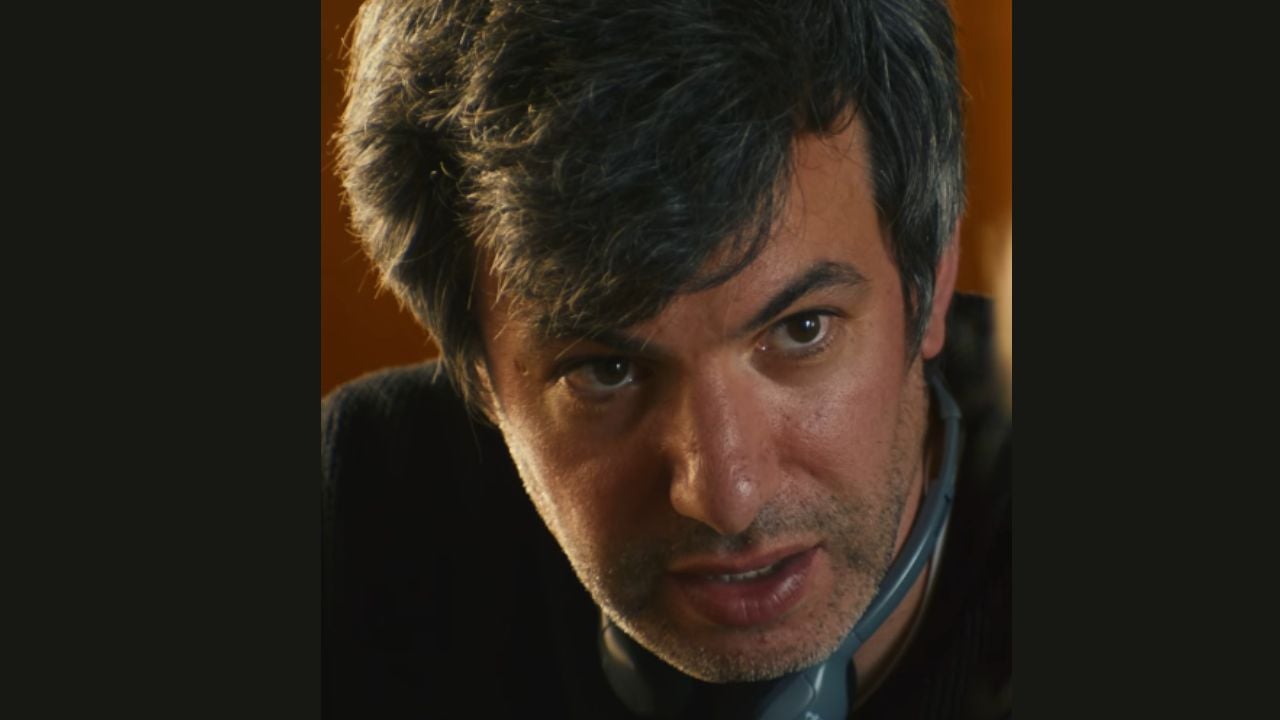
Nathan Fielder’s Elizabeth Holmes documentary was already one of the stranger surprises of the fall movie season. Its new rating has added another unanswered question before most audiences have even seen it.
You Can See Everything, directed by Fielder and Lance Oppenheim, has been rated R for “language and some graphic nudity.” Entertainment Weekly reports that one unidentified person appears full-frontal in the documentary, while A24 declined to explain the scene.
The film was made with unusually intimate access to Holmes and her partner, Billy Evans. Fielder and a small crew lived with them during the 34 days before Holmes reported to federal prison in May 2023, recording a domestic life she had largely kept away from cameras.
Early festival reviews have offered some indication of how close the filmmakers were allowed to get. One scene has Evans inviting the crew into the bathroom while he showers, although nothing released so far establishes whether that moment accounts for the nudity cited in the film’s rating.
The MPA Rating Leaves the Nudity Unexplained
The Motion Picture Association lists You Can See Everything as certificate No. 56066. The R classification was issued on Sept. 23, only weeks after the documentary made its surprise festival debut.
The MPA listing does not identify the person who appears nude or provide any context for the scene. Nothing released by the ratings organization or reported by EW supports identifying Holmes as that person.
Advance material has instead focused on Holmes, Theranos and the filmmakers’ access to her family shortly before she began serving her prison sentence. The circumstances surrounding the nudity remain undisclosed ahead of the film’s theatrical release.
Early Reviews Show Just How Much Access Fielder Had
View this post on Instagram
Critics who saw the movie at Telluride have described access that went well beyond a conventional sit-down documentary. RogerEbert.com’s review describes Evans inviting the filmmakers into the bathroom while he takes a shower, one of several moments in which the camera enters spaces that would ordinarily remain outside a documentary crew’s reach.
Holmes invited the filmmakers into her life 34 days before she was due to report to prison. She maintained that she had been misunderstood and presented the access as evidence that she was not trying to conceal anything from them.
In the trailer, Fielder asks Holmes whether she worries that his constant presence might capture something that reflects badly on her. Holmes tells him she has nothing to hide.
Even after completing the film, Fielder has resisted reducing the experience to a simple conclusion. At Telluride, he said he was still struggling to understand what he had witnessed and hoped audiences might help him make sense of it once they had seen the documentary themselves.
Fielder Initially Questioned Whether Another Holmes Documentary Was Necessary
The project began far from Holmes’ home or the Theranos story. According to the Los Angeles Times, Oppenheim and Fielder were at the Magic Castle in Los Angeles when a magician asked the audience to name a celebrity and someone called out Elizabeth Holmes. Oppenheim then told Fielder that he had heard through a mutual connection that Holmes was looking for someone to document her life.
Having already read John Carreyrou’s Bad Blood, Fielder initially questioned whether there was anything left to explore in another Holmes documentary. Meeting Holmes and gaining access to her life changed his perspective, and the project ultimately expanded far beyond the weeks leading up to her imprisonment.
What started with Holmes allowing the filmmakers into her home continued across three years. That extended timeline gave Fielder and Oppenheim material beyond the initial portrait of Holmes, Evans and their family in the weeks before she surrendered to federal authorities.
The Documentary Was Kept Secret Until Telluride
After years of production with little public attention, You Can See Everything made its surprise debut at the Telluride Film Festival on Sept. 6, where it was unveiled as a secret screening rather than through a traditional announcement.
According to the Los Angeles Times, audience members had to secure their phones in pouches before the screening and were warned that security personnel using night-vision goggles would monitor the theater for anyone attempting to use a device.
Festival attendees were also asked not to reveal some of the documentary’s biggest surprises. Reviews have consequently avoided detailing several developments from the later portion of the three-year story, leaving much of what happened after Holmes entered prison undisclosed ahead of the theatrical release.
‘You Can See Everything’ Opens in October
The film runs 174 minutes and marks Fielder’s feature directing debut alongside Oppenheim. A24 describes it as beginning with an intimate portrait of Holmes before evolving into a “three-year journey into the abyss.”
Holmes had already been convicted on four fraud counts related to Theranos when filming began. She was sentenced to more than 11 years in federal prison for defrauding investors and reported to a federal prison camp in Texas in May 2023.
A24 will release You Can See Everything in theaters on Oct. 16.